Color-Treated Hair & Straightening Irons
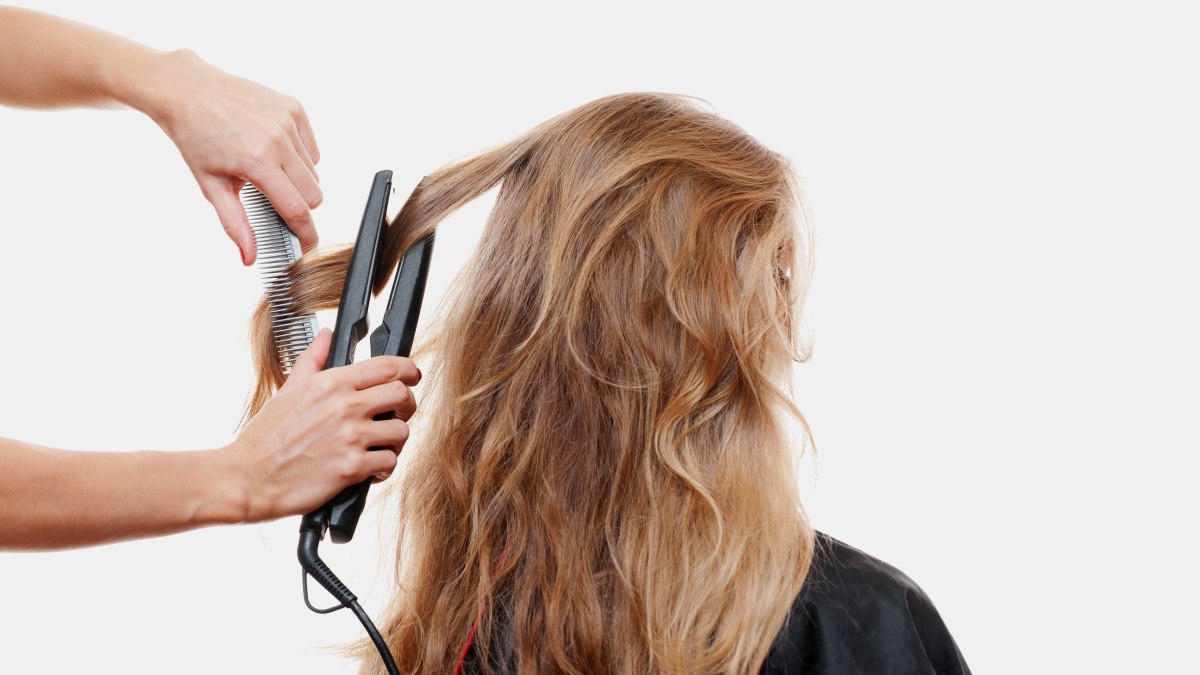
A: It is true that you should use caution when using a straightening iron on color-treated hair (especially hair that has been bleached). Gray hair is also naturally drier and coarser due to lower natural oil production, which makes it more sensitive to heat damage. That being said, you can definitely use a straightening iron safely as long as you take the right precautions!
1. Hydration & Care
In every hair care routine, the most important foundation is keeping your hair well-hydrated. You don't need to wash your hair every day. Doing so can strip away natural oils and cause your color to fade faster.• Always use a nourishing conditioner every time you wash.
• Incorporate a deep-conditioning mask once a week.
• Use a lightweight leave-in conditioner or hydrating mist between washes to keep gray, color-treated hair soft and pliable.
Crucial Rule: Make sure any leave-in creams, mists, or hydration products applied before styling are 100% dry before your flat iron touches your hair. Applying direct heat to damp or wet hair causes internal moisture to rapidly flash into steam, causing severe micro-fractures in the hair shaft.
2. Heat Protection & Appliance Selection
Moisture balance is doubly important if you are going to use a heat appliance. In addition to moisturizing, applying a dedicated heat protectant spray or serum before styling is non-negotiable. Heat protectants contain specialized polymers that slow down heat transfer, distribute the thermal load evenly, and shield your color pigment from fading.When selecting and setting your appliance:
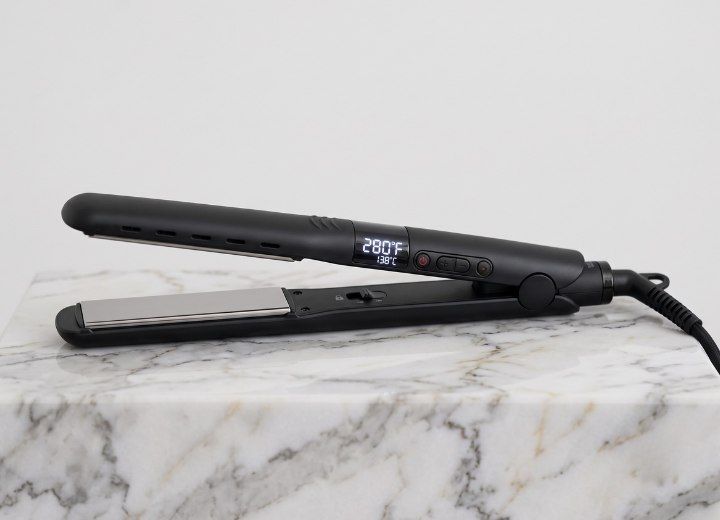
• Choose Ceramic or Tourmaline Plates: These materials emit far-infrared heat and distribute temperature smoothly, making them gentle on fragile or color-treated hair. Avoid titanium plates if your hair is compromised. Titanium transfers heat extremely fast into the hair shaft, drastically increasing the risk of accidental thermal damage.
• Prioritize Adjustable Temperature Controls: Keep your iron set between 300°F–350°F (150°C–175°C). Keratin proteins begin to degrade above 300°F. High temperatures (375°F and above) oxidize hair dye - causing rapid fading - and can scorch white or gray strands into a yellowish, brassy tone.
• Match Size to Hair Length & Sectioning: For longer hair, wider heating plates can save time, while slimmer plates offer more precision for shorter hair or framing the face. Regardless of plate size, working in small, manageable sections is key to controlled heat distribution.
3. Technique
When ironing, stick to the One Pass Rule: slowly, smoothly, and continuously guide the iron down each small section of completely dry hair just once. Repeating passes over the same section creates cumulative heat exposure that rapidly strips away internal moisture.4. How to Know If Your Hair Is Ready for Heat
To check whether your hair is healthy enough to handle a flat iron safely, try these two simple tests:Test 1: The Elasticity Test
1. Take a single strand of clean, damp hair.2. Hold it at both ends between your thumb and forefinger, and gently stretch it.
3. Healthy hair will stretch and bounce back to its original length when released.
4. Damaged hair will either snap instantly (lacking moisture or protein) or stretch out without bouncing back. If it snaps or sags, hold off on the flat iron and focus on deep-conditioning and protein treatments first.
Test 2: The Texture & Porosity Check
• Visual Check: Look at your hair ends in good light. If you notice split ends, white specks near the tips (signs of active breakage), or hair that feels like dry straw, applying direct heat will cause further breakage.• Touch Check: Run your thumb and index finger up a dry strand from tip to root (against the grain). If it feels extremely rough and bumpy, the protective outer cuticle layer is raised or stripped, making the inner core vulnerable to thermal damage.
If your hair passes the elasticity test, has no severe splitting, and is completely dry, go ahead and straighten! Just stick to ceramic plates, keep the temperature strictly around 300°F–350°F, apply your heat protectant every single time, and use one smooth pass per section.
©Hairfinder.com
See also:
How to flat iron hair
Tips and tricks for hairstyling tools
How to choose a good flat iron for your hair