Color Beard and Mustache

A: If you want to color your beard and mustache to achieve an "all-white" or bright silver gray color, the best you can hope for with chemical dyes is to gradually reach a platinum blonde shade through the use of aggressive bleaches and toners.
• The Underlying Pigment Challenge: Facial hair naturally contains strong yellow and warm underlying pigments. Even after intense lightening, a beard will often appear pale yellow rather than bright white.
• The Maintenance: While purple or silver toners can help neutralize these warm tones, maintaining a cool platinum or silver appearance requires regular, highly-demanding touch-ups because toners fade rapidly with washing, eating, and sun exposure.
• The Risk of Damage: If your beard is naturally very dark, reaching a light platinum shade requires several bleaching sessions. Because facial hair is coarse and the skin underneath is highly sensitive, trying to lighten it this aggressively can easily lead to severe skin irritation, chemical burns, or dry, brittle hair prone to breakage.
Modern Temporary Alternatives:
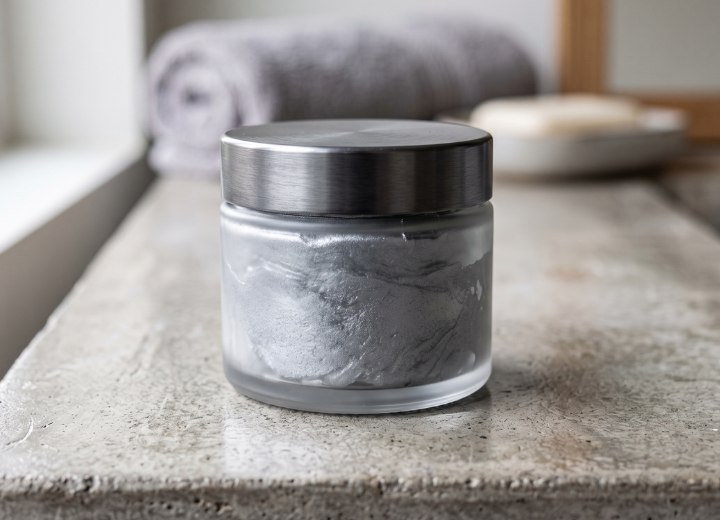
If you want a silver or white look without the damage of bleach, you have several excellent modern options that go beyond basic theatrical makeup:• Silver/Gray Styling Pomades & Waxes: These are daily-wear styling products that you brush through your beard. They temporarily coat the hair in a realistic silver-gray pigment while providing light hold.
• Brush-On Temporary Colors: Daily mascara-style wands or hard-wax color sticks designed specifically for beards can coat dark hairs with a convincing silver look.
Options for Coloring Over the Salt and Pepper:
If your goal is actually to cover or blend your gray hairs with another color, you have several highly effective options:• Subtle Blending (The "Touch of Gray" Look): If you don’t want a solid block of color, look for partial-coverage or "progressive" men’s beard dyes. These use specialized comb-in applicators to target only a portion of the gray, preserving a natural, distinguished salt-and-pepper look.
• Full Coverage: You can use a traditional demi-permanent or permanent hair color formulated specifically for men's facial hair to match the hair on your head.
Application Tips & Best Practices:
Because facial hair is coarser and more chemically resistant than scalp hair, it requires a unique approach:1. Perform a Patch Test First (Crucial Safety Step!): Facial skin is incredibly sensitive. Before applying any dye, mix a tiny amount and apply it behind your ear or on your inner elbow for 48 hours. Many dark beard dyes contain PPD (paraphenylenediamine), which can trigger sudden, severe allergic reactions.
2. Pre-Softening: If your hair is highly resistant to dye, you can "pre-soften" the beard by applying a low-volume developer (like 10-volume) to the hair for 5 to 10 minutes before applying the color. This opens the tight hair cuticle so the dye can penetrate. Note: Skip this step if you have sensitive skin, as it increases the risk of irritation.
3. Choose the Right Shade: Always select a shade one to two levels lighter than your natural hair. Because beard hair is coarse, it absorbs color deeply; choosing an exact match or a darker shade often results in an unnaturally dark, flat appearance.
4. Protect Your Skin: Apply a thin layer of Vaseline or barrier cream around your beard line to prevent skin staining.
5. Apply with Precision: Use a small toothbrush, disposable mascara wand, or the applicator brush provided in the kit to paint the dye onto the hair neatly, avoiding the skin beneath as much as possible.
6. Respect the Timer: Follow the manufacturer's processing times strictly. Leaving the color on longer will not make it last longer; it will only increase your risk of chemical skin burns and irritation.
7. Post-Color Care: After rinsing, thoroughly condition your beard or apply a premium beard oil to restore moisture, soothe the skin, and keep your beard looking healthy and soft.
©Hairfinder.com
See also:
Gray hair Q&A
Hair color for men
How hair bleaching works