Swimming with Dyed Hair
A: It can. How much your hair is affected depends on the type of dye you used, the condition of your hair, how often you swim, the pool water, and how much sun your hair is exposed to. Different types of color (especially semi-permanent and temporary colors) can respond differently to swimming.
The Effect of Chlorine
If your hair is dyed a bright, bold, pastel, or light color, swimming can cause noticeable fading or changes in tone. Chlorinated water can remove some of the hair's natural oil and leave it dry, rough, and more likely to break. Chemically treated, bleached or highlighted hair is usually more sensitive because these treatments can make the hair more porous and damaged.Many people think chlorine itself turns blonde hair green. However, the green color is usually caused by copper in the pool water, which can accumulate on the hair. Chlorine can contribute to hair damage, and this makes it easier for copper-containing compounds to build up on the hair. This is especially noticeable on blonde, bleached, or highlighted hair. Studies of swimmers with green hair have found high levels of copper in the affected hair.
Coloring and especially lightening or bleaching can make hair more vulnerable to environmental damage. Repeated exposure to chlorinated water can further damage the hair's protective cuticle and contribute to dryness and breakage. The more frequently you swim, the more important it is to protect your hair.
Pre-Swim Measures
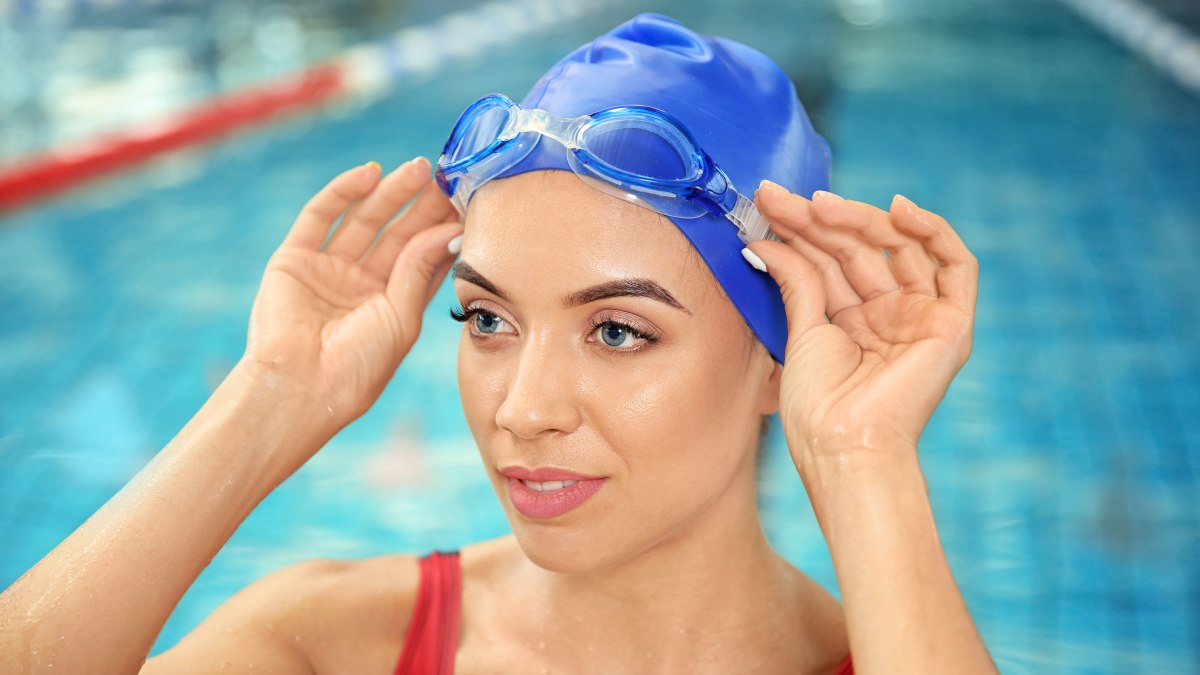
If you swim regularly, use a swim cap for the best physical protection. A silicone cap will reduce the amount of pool water reaching your hair, although it will not keep your hair completely dry.Alternatively, saturate your hair with clean water before entering the pool. Hair that is already wet will absorb less pool water. Applying a leave-in conditioner or a small amount of suitable hair oil can provide an additional protective layer.
Post-Swim Measures
After swimming, rinse your hair with clean water as soon as possible. This helps remove chlorine and other chemicals immediately.If you swim often, use a shampoo made for swimmers. If you are worried about copper or other minerals building up, consider a chelating shampoo. It is designed to remove mineral deposits and can be more effective than a regular clarifying shampoo. Follow with a good conditioner. A deep-conditioning treatment can help restore moisture and make your hair easier to manage.
Sun exposure can also contribute to fading hair color. If you will be swimming outdoors, protect your hair from the sun. Wear a hat when you are out of the water, to limit prolonged direct sun exposure.
Avoid heat styling immediately after swimming. Air-drying will help to avoid additional heat damage, although the most important steps are removing the pool chemicals promptly and conditioning your hair afterward.
©Hairfinder.com
See also:
Protect hair from chlorine
Hair care for a swimmer
The effect of chlorine on hair