Hair Extensions & Pool or Beach
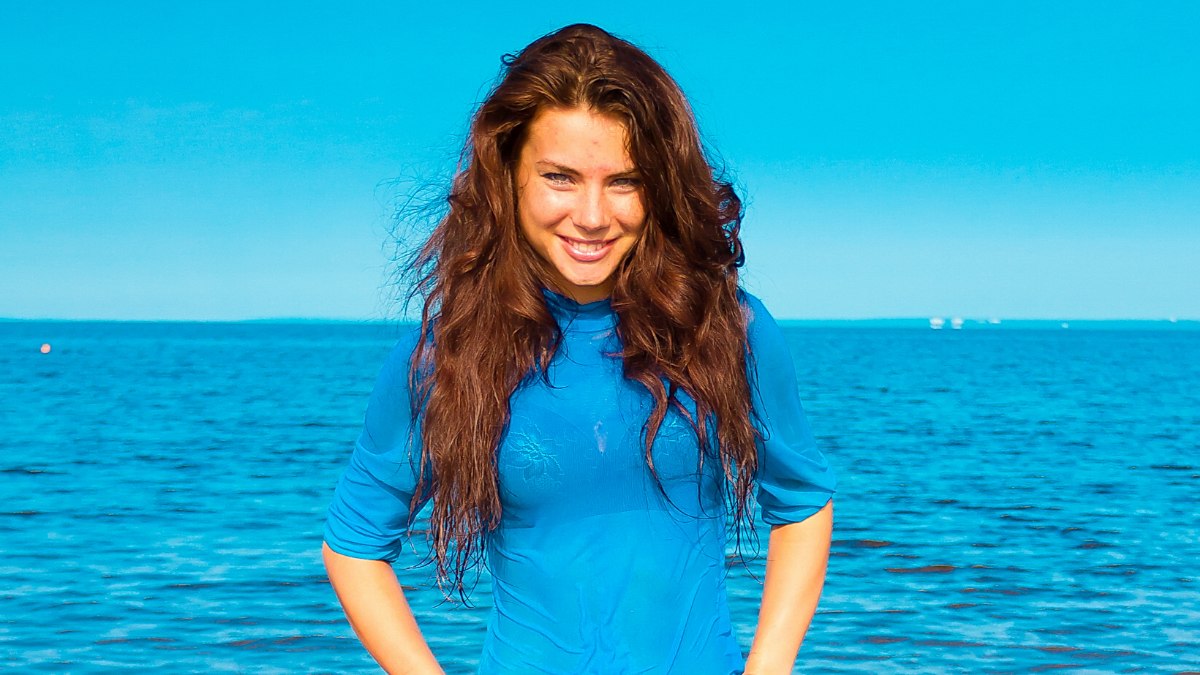
A: Racoon Extensions are a brand name for a well-known range of hair extensions and bonding products, rather than an application method. They are typically attached using a specialized keratin polymer resin bond, which is designed to be durable for normal daily wear.
If your hair accidentally gets wet or you choose to swim, follow these essential steps to minimize damage:
• Pre-soak your hair with fresh water: Before swimming, thoroughly wet your hair with clean tap water and apply an extension-safe leave-in conditioner to the mid-lengths and ends (keeping it completely clear of the bonds). Hair acts like a sponge: saturating it with clean water reduces the amount of chlorine or salt it can absorb.
• Secure your hair: Tie long hair into a low, loose braid or ponytail to prevent severe tangling in the water.
• Rinse and dry immediately: As soon as you get out of the pool or sea, rinse your hair thoroughly with clean, fresh water to flush out chemical residue, salt, and sand. Do not leave the bonds damp. Gently dry the root area and bonds on a cool hair dryer setting, as lingering moisture weakens the keratin.
• Watch your sunscreen: Chemical sunscreens containing Avobenzone or Octocrylene react with chlorine and minerals in the water, causing light-colored extensions to permanently turn peach or pink. Stick to mineral-based and wash your hands before touching your hair.
• Avoid rubbing and brush carefully: Gently squeeze excess water out with a towel and never rub vigorously. Before brushing, allow the hair to air-dry slightly, then use an extension-friendly loop brush. Start at the ends and work your way up while supporting the roots with your hand.
• Keep oils away from the bonds: Nourishing conditioners, masks, and oils are great for replacing moisture lost to the sun, but apply them strictly to the mid-lengths and ends. Oil breaks down keratin adhesives and will cause extensions to slip out.
Using the aftercare products designed specifically for your type of extensions is crucial. These are often available through your salon and are formulated to keep both the hair and the adhesive bonds in optimal condition. Many salons will only honor their guarantee or warranty if you follow their recommended care routine.
For full peace of mind, contact the stylist who applied your extensions. He or she can give you tailored advice based on your natural hair type and clarify any specific requirements to keep your guarantee valid.
©Hairfinder.com
See also:
Hair extensions
The effect of chlorine on hair
What should I do with my extensions when I swim? Are braids an option?