Hair Loss After Having a Baby
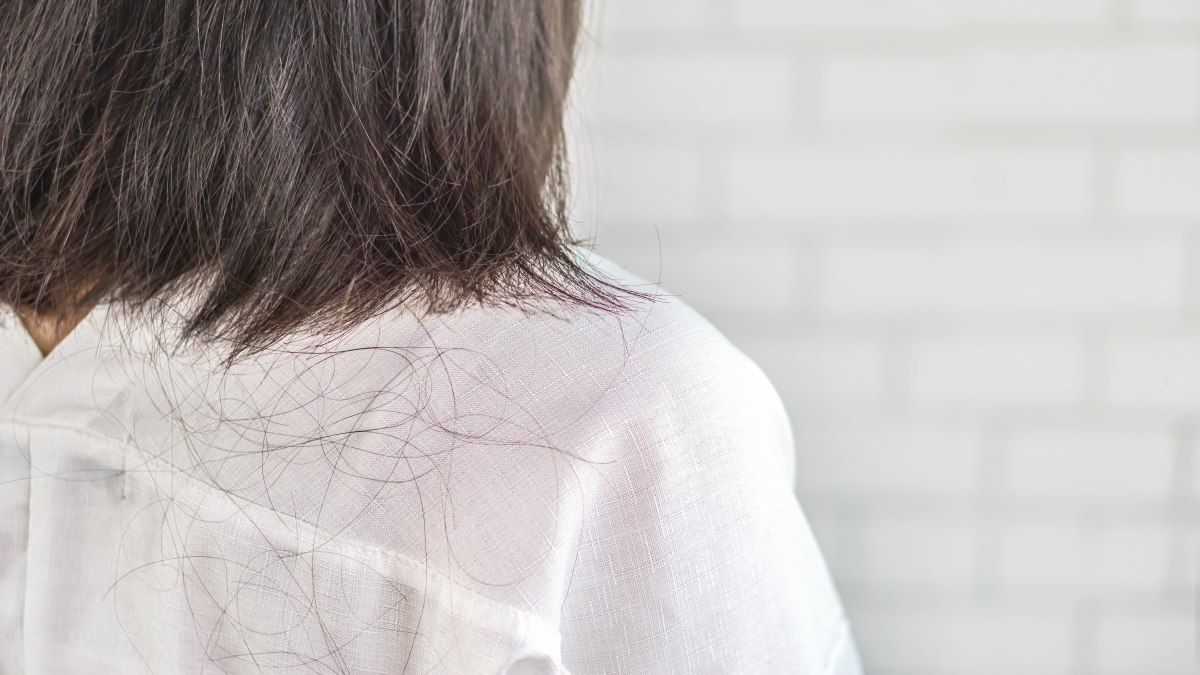
A: Hair loss after having a baby (postpartum hair loss) is very common. In fact, it is one of the most frequent concerns new mothers have during the first year after giving birth. While seeing large amounts of hair coming out when you brush, wash, or style it can be alarming, this type of shedding is temporary and medically known as telogen effluvium.
As a result, many hair follicles shed simultaneously, typically starting two to four months after delivery. This can cause a sudden and dramatic thinning of the hair. The shedding usually peaks around three to four months and gradually slows down over the next several months as your normal hair growth cycle resets. In most cases, hair begins to regrow on its own, though it can take anywhere from six months to a year - or occasionally a bit longer - to regain its previous fullness.
Since your doctor has already ruled out other common contributors to postpartum hair shedding (such as iron deficiency or thyroid imbalances) through blood work, it is safe to dye your hair. Chemical hair color acts on the hair shaft above the scalp, not deep inside the hair follicle where growth and shedding occur, so coloring your hair will not worsen the shedding itself.
However, keep a few important precautions in mind before your hair salon appointment:
• Inform your stylist: Let them know you had a baby seven months ago and are experiencing active postpartum shedding so they can handle your hair gently.
• Request a strand test: Postpartum hormonal changes can temporarily alter your hair’s texture, porosity, and how quickly it absorbs chemical dyes. A strand test ensures the color processes as expected.
• Request a skin patch test: Immune and hormonal shifts during pregnancy and the postpartum period can make your skin more sensitive or trigger new allergic reactions to products you used safely in the past. A patch test 48 hours prior will protect against scalp irritation or contact dermatitis.
This answer is intended for informational purposes only. For medical advice or a diagnosis, contact a doctor.
©Hairfinder.com
See also:
Pregnancy and your hair
Pregnancy, thin hair and hair loss
Having a baby and hair growth that changes