Photo: Getty Images/Canva
Whether you're a seasoned stylist, a curious beginner, or simply someone looking to better understand the world of hair care, this resource will help demystify the terminology commonly used in
the realm of hair and hairstyling.
What are bangs?
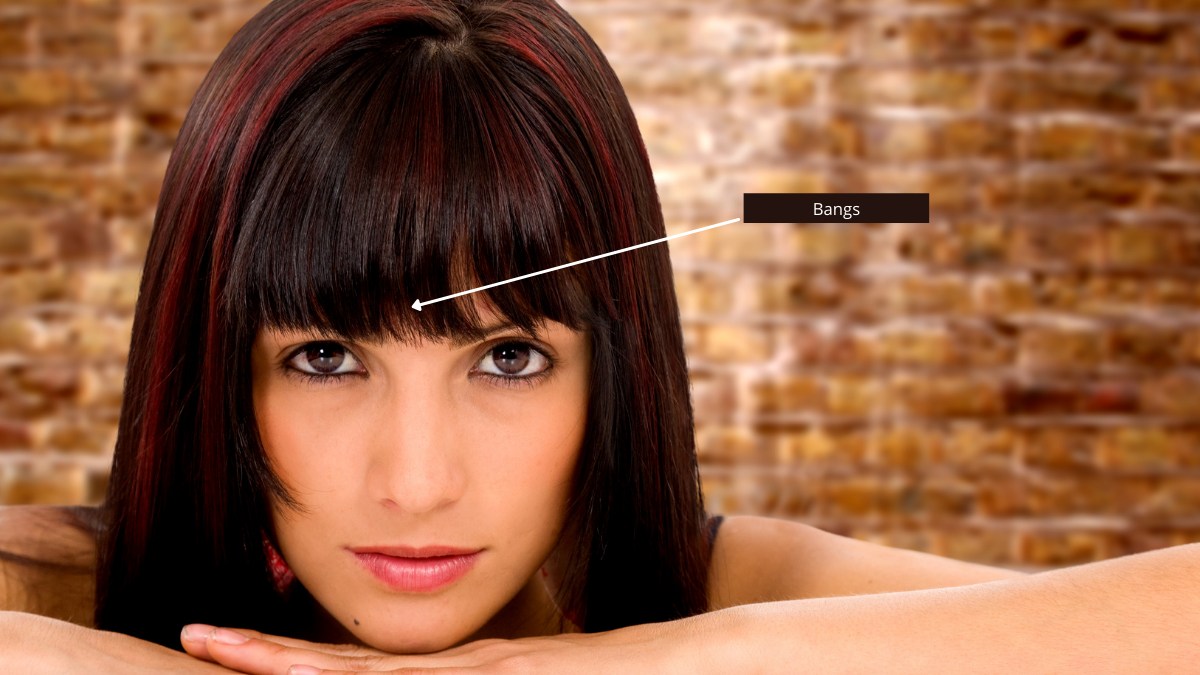
Hairstyle with bangs - Photo: Latino Life/Canva
Bangs are the part of the hair cut and styled to hang on the forehead. It is also
referred to as fringe. The bangs can be cut in a variety of styles and can be textured in many ways as well.
What is a bob?
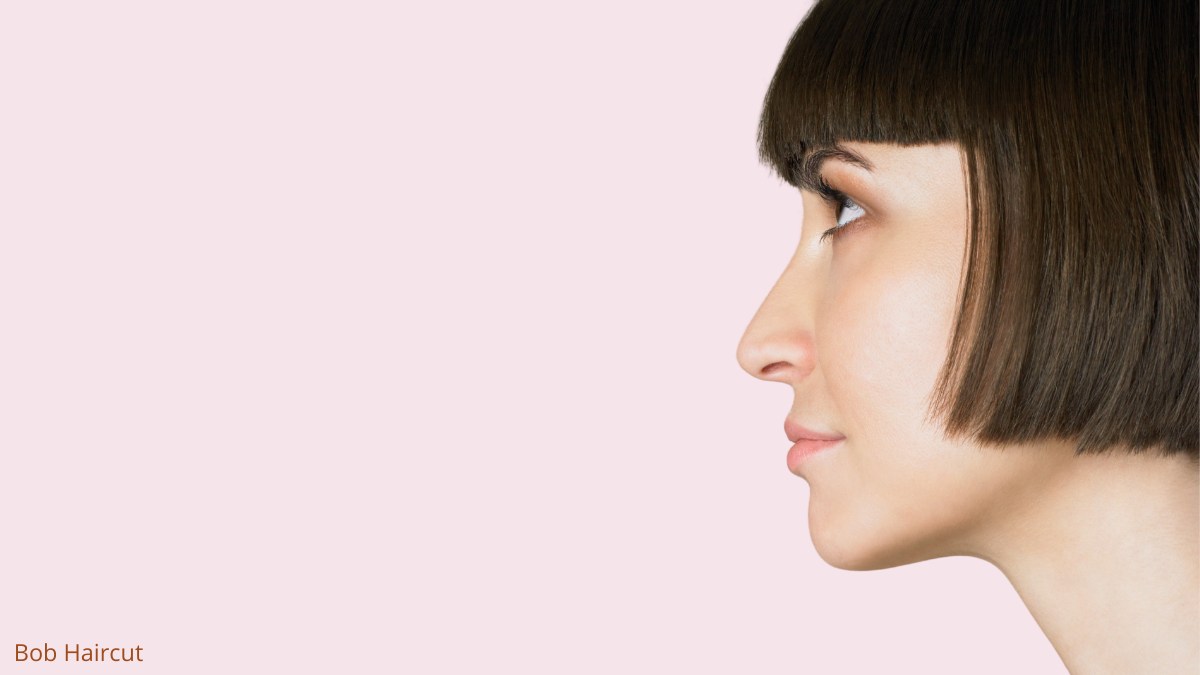
Photo: Image Source/Canva
The bob cut refers to any haircut that ends in a blunt line. Typically, a bob cut is shorter in length - between ear lobe and chin length. It is a classic style (originating in the 1920s) that has many variations.
The bob hairstyle may be angled in any direction, and may or may not include bangs. Its defining feature is the clear, crisp line at the ends of the hair.
What is a cutting line?
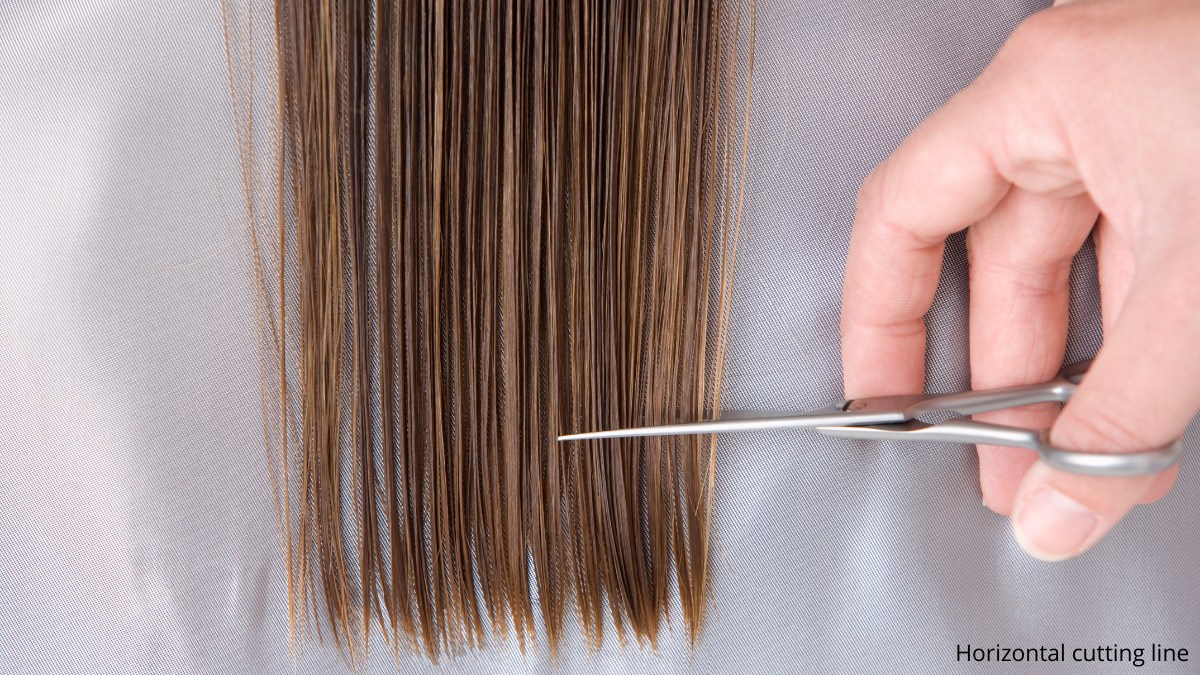
Cutting a horizontal line - Photo: BananaStock/Canva
The term cutting line refers to the actual line along which the ends of the hair are cut. A vertical cutting line creates layers. The angle of the cutting line
determines how close the layers appear in the finished haircut.
What is a devilock?
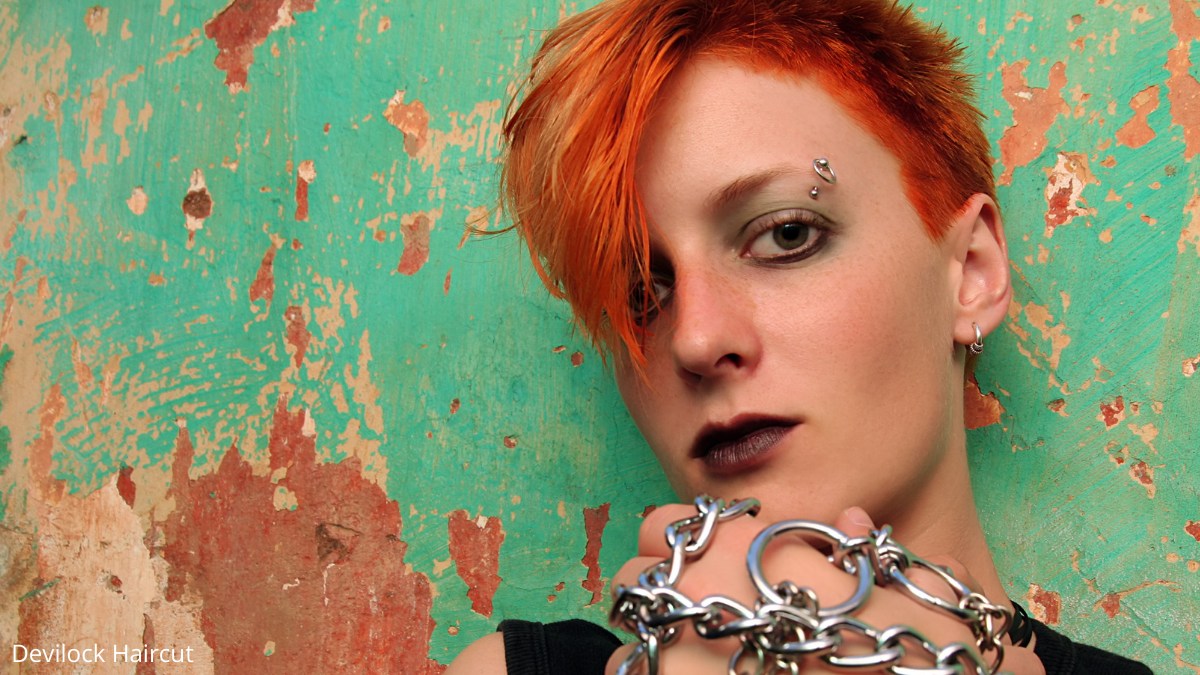
Woman with a devilock haircut - Photo: Getty Images/Canva
The devilock haircut features short hair in the back and sides of the head with long hair in the front. This style can include very short tapered hair on the sides and back or slightly longer layered cutting,
but will always be longer in the front.
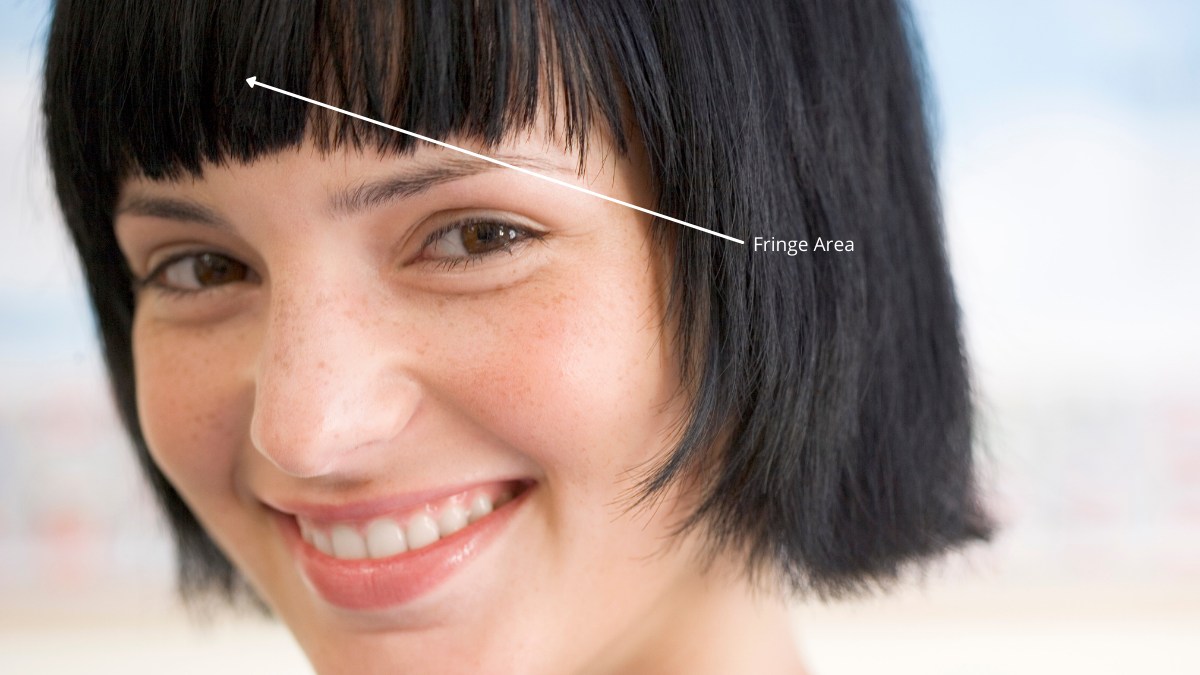
What is the fringe area?
The fringe area of a haircut - Photo: Pixland/Canva
The fringe area is often referred to as bangs. It is the area at the front of the head above the forehead. The fringe area usually extends no further than the outer corners of the eyes.
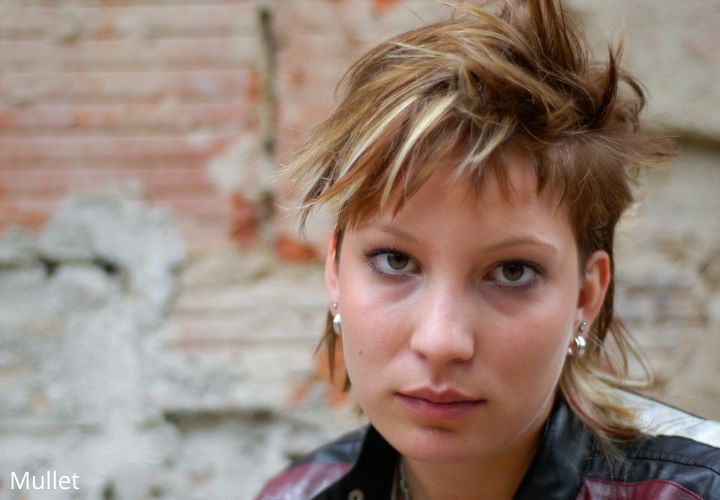
What is a mullet?
Young woman with a mullet - Photo: Getty Images/Canva
A hairstyle originating and made popular in the early 1980s, the mullet is a hairstyle where the hair on the top and sides of the head is cut in short layers and the back is left long.
The transition from short to long can be smoothly blended or very distinctly defined. The lengths of the different areas can vary greatly, but will always clearly be longer in the back than on the top and sides.
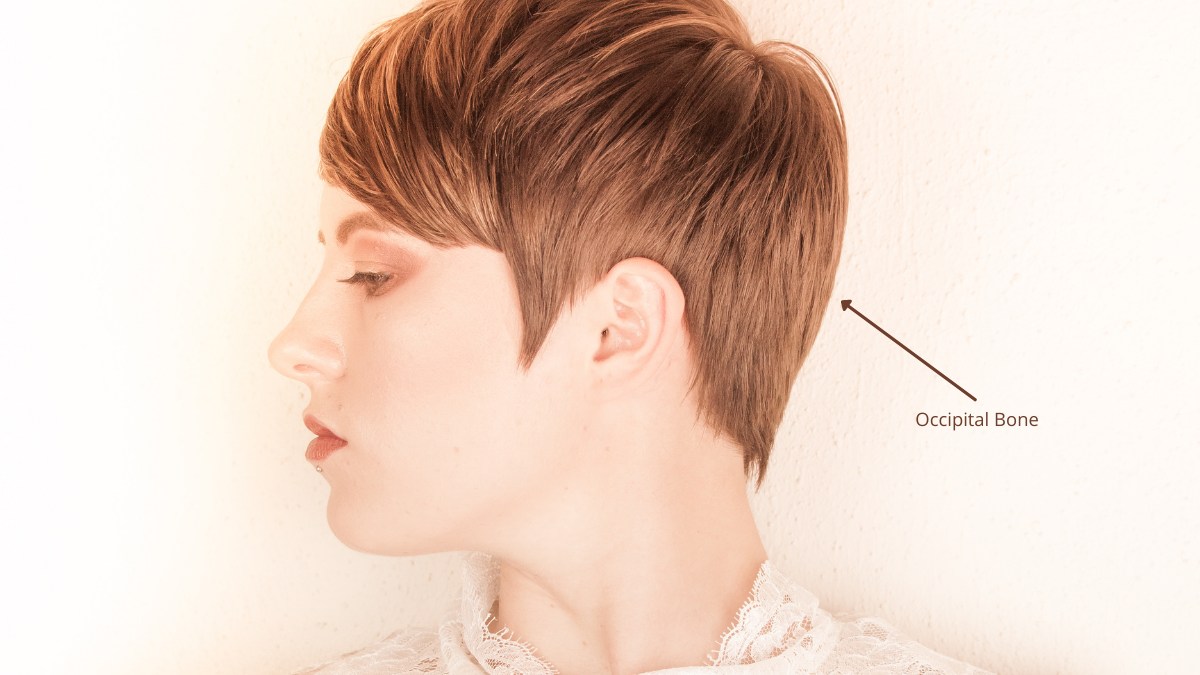
What is the occipital bone?
Location of the occipital bone - Photo: Getty Images Signature/Canva
The occipital bone is the part of the skull where the neck meets the skull. It can be felt by placing your hand at the back of the head and feeling the joining point between the skull and neck.
See also: Anatomy of the Head.
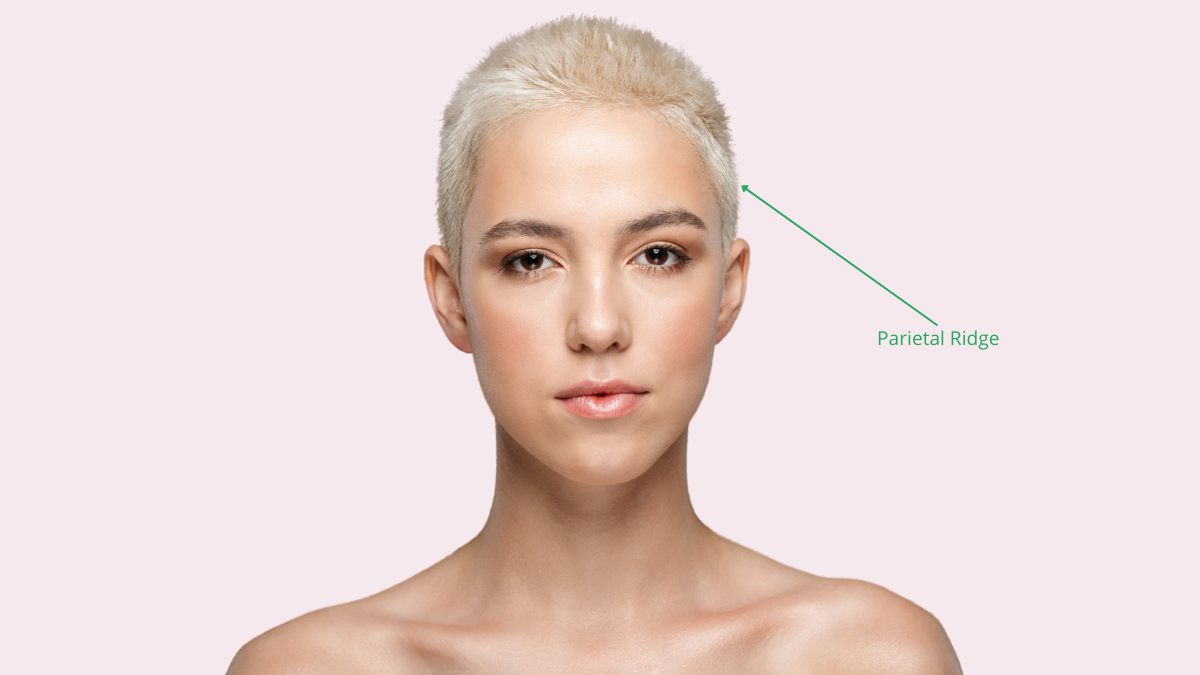
What is the parietal ridge?
Location of the parietal ridge - Photo: Dean Drobot/Canva
The parietal ridge is the area of the skull where the bones of the head begin to curve toward the top. It is also the point at which straight hair begins to fall in a completely vertical direction.
See also: Anatomy of the Head.
What is the part?
The parting of a hairstyle - Photo: Jupiterimages/Canva
The part is the point at which a hairstyle is divided and, generally, the hair moves in different directions. Most heads will have a natural part that is found by
brushing the hair straight back from the face and allowing it to fall naturally.
What is a pixie cut?
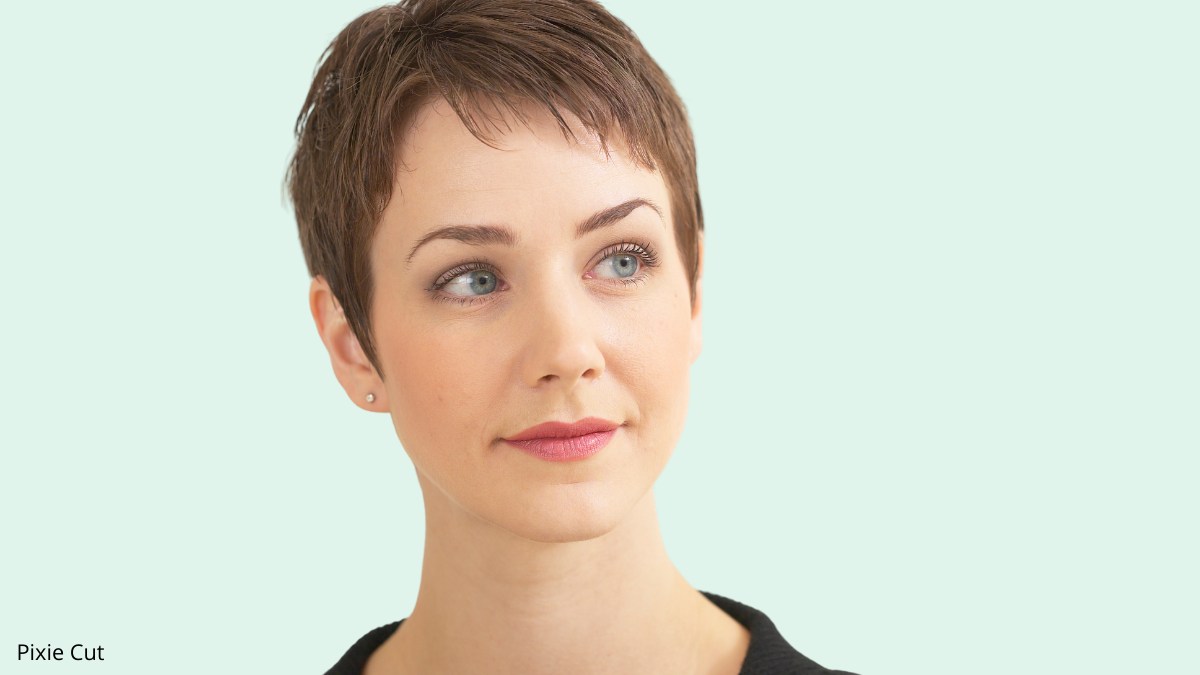
Woman with a pixie cut - Photo: Hemera Technologies/Canva
The term pixie cut refers to a variety of short layered haircuts. It is also referred to as an "elfin" cut. The pixie style is cut above the ears and may include wispy bangs.
It also may or may not have longer hair on the top of the head. The defining feature of a pixie cut is close-cropped layers that frame the face and lie close on the
sides and back of the head.
The style originated in the sixties with models like Twiggy, and actresses like Mia Farrow in "Rosemary's Baby". Stylist Vidal Sassoon is credited with popularizing the
style in its early variations.