How to Wrap a Spiral Perm
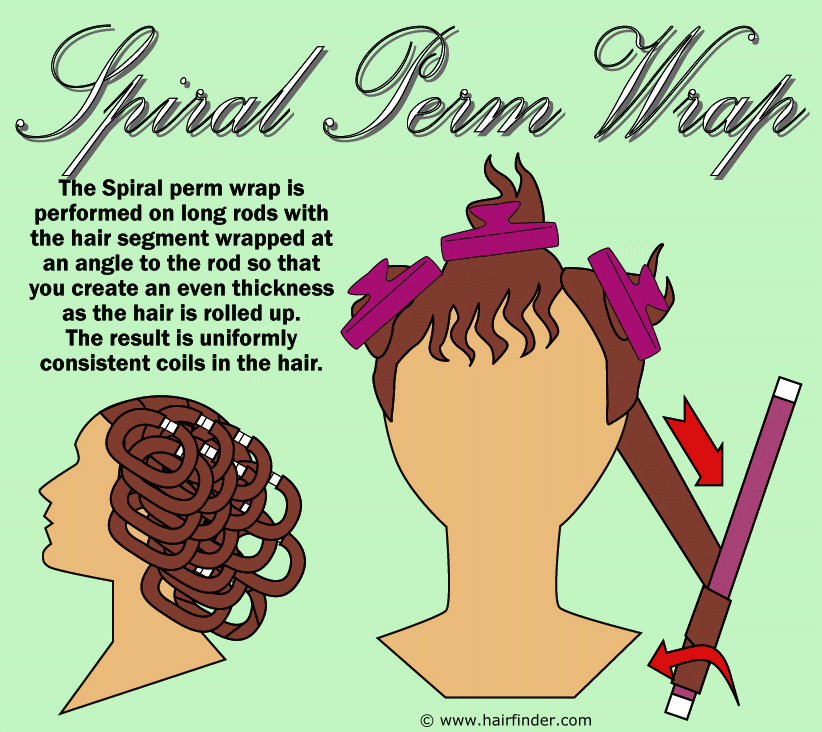
Here you can see a simple diagram showing the basics of wrapping a spiral perm. However, there are a few things you should know about spiral perm wrapping:
The difference between a spiral wrap and the standard perm wrapping method (called the croquignole method) is primarily found in the resulting curls. Standard perm wrapping involves taking a wide, but thin segment of hair and wrapping it around a thin rod so that the hair forms layer upon layer.
With spiral perm wraps, the hair is divided into differently shaped sections. Usually these are square segments, but they can be any shape (for example, triangular or free-form) in order to prevent roller marks. While spiral wrapping can be done on most lengths of hair, it is generally done (and with best results) on long hair. The hair is wound around a longer perm tool while the tool is held at an angle to the length of the hair.
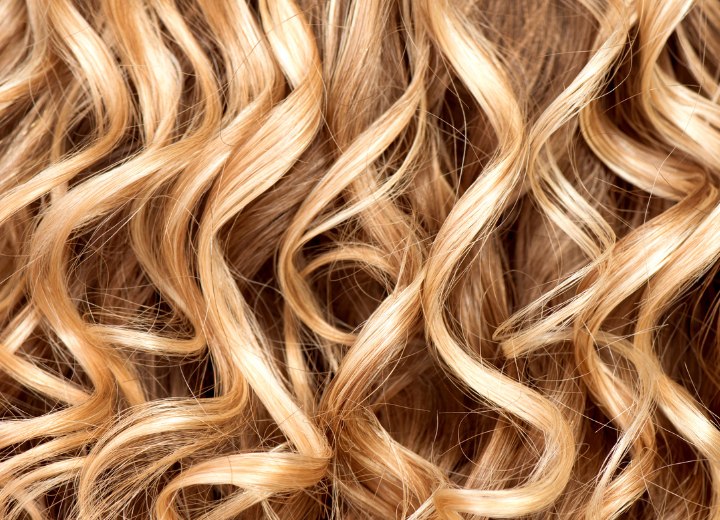
Because of this, the hair winds around the tool and only partially overlaps the previous layer of hair as you wind it up the tool's length. This creates a more uniform coil of wave in the hair regardless of the length, and is often preferred by women with longer hair types who are looking for curl rather than body from a perm service.
When wrapping a standard perm, you generally work from the top of a section of hair to the bottom, wrapping a segment (or slice) at a time. When you wrap the spiral perm, you have to think in the opposite direction. The hair-wrapped tools are going to require a place to lay or hang from the scalp, and therefore you have to work from the bottom up when wrapping a spiral perm. Generally speaking, the hair is sectioned and the sections are lowered partially while the hair is wrapped in segments from one side to the other. The segments above are wrapped and allowed to lie on the lower segments.
Spiral perm tools may vary as new designs and ideas emerge, but the most common spiral perm tool is a long, slender rod made of bendable material with a mechanism to securely attach the ends to each other. Some newer models of spiral perm rod are made of rigid plastic but are themselves spiral in shape. This helps minimize the apparent length of the tools without reducing the amount of hair that can be wrapped around a rod.
As with any perming service, the thickness of the tool will determine the size of the resulting curl.
©Hairfinder.com
See also:
Perm rods
How to wrap a perm
How to wrap a perm for a cowlick
What way do rods go into your hair for a brick lay perm?