|
 |


A What’s What Guide To Curling Irons…
In many ways, the curling iron can be easily argued to be the greatest innovation in
hairstyling of the Twentieth Century, and has evolved dramatically from its original incarnation into an appliance that is easy to
use and produces far superior results when compared to its ancestors.
A Brief History
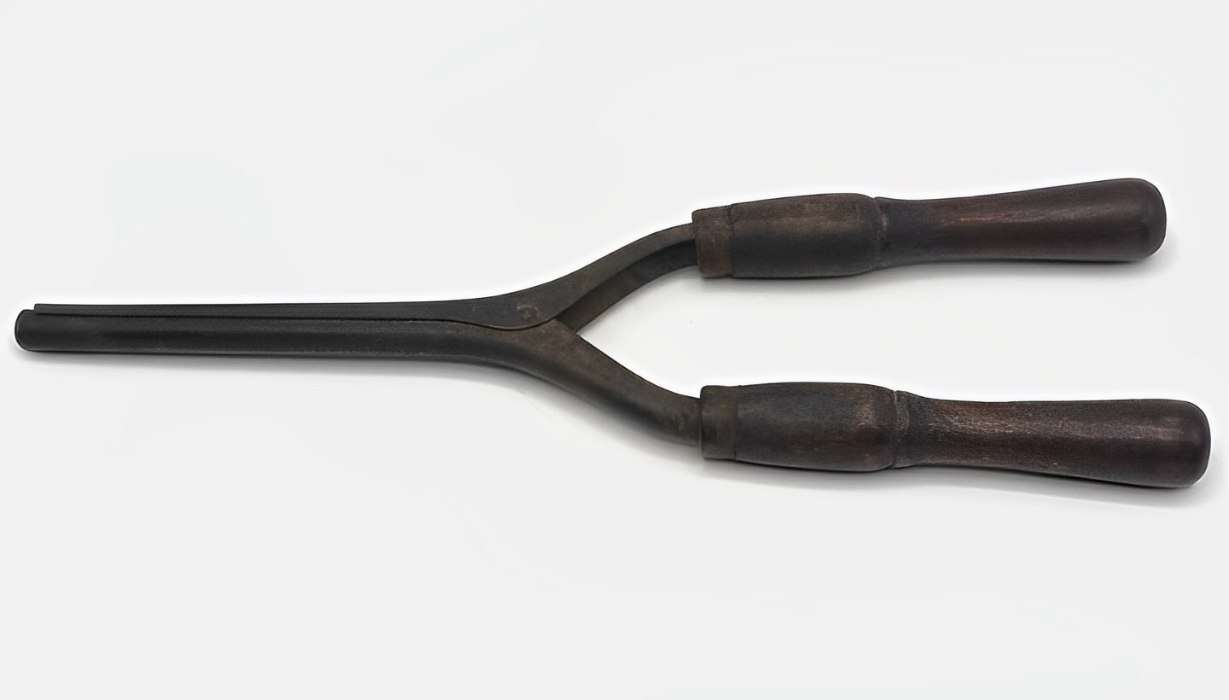
Parisian stylist and inventor, Marcel Grateau, is credited with the development of the
technique of styling the hair using heated rods in the latter part of the 1870s. The first curling irons were polished metal rods
that were heated in a fire or oven and then applied to the hair, coiling the hair around it to create the curl. Common problems
were overheating and singeing of the hair as well as burns to the scalp and hands in the styling process.
Over the century that followed, curling irons were largely the tool of the professional,
since at-home use was still unwieldy, requiring as it did the heating elements and careful handling to prevent burns and damage to
the hair. Still, progress was made, the techniques were improved upon, and the appliances underwent dramatic revamping as
electricity became more commonly used and the technology allowed for the creation of curling irons that were self-heating.
Somewhere around the 1960s, curling irons became feasible for use by women at home. The
appliances had become safe enough to allow women to use them on their own hair, with relative ease, and achieve reasonable results.
These appliaces were electric, self-heating and serviceable, but were still a far cry from the products we have today.
Today’s Irons
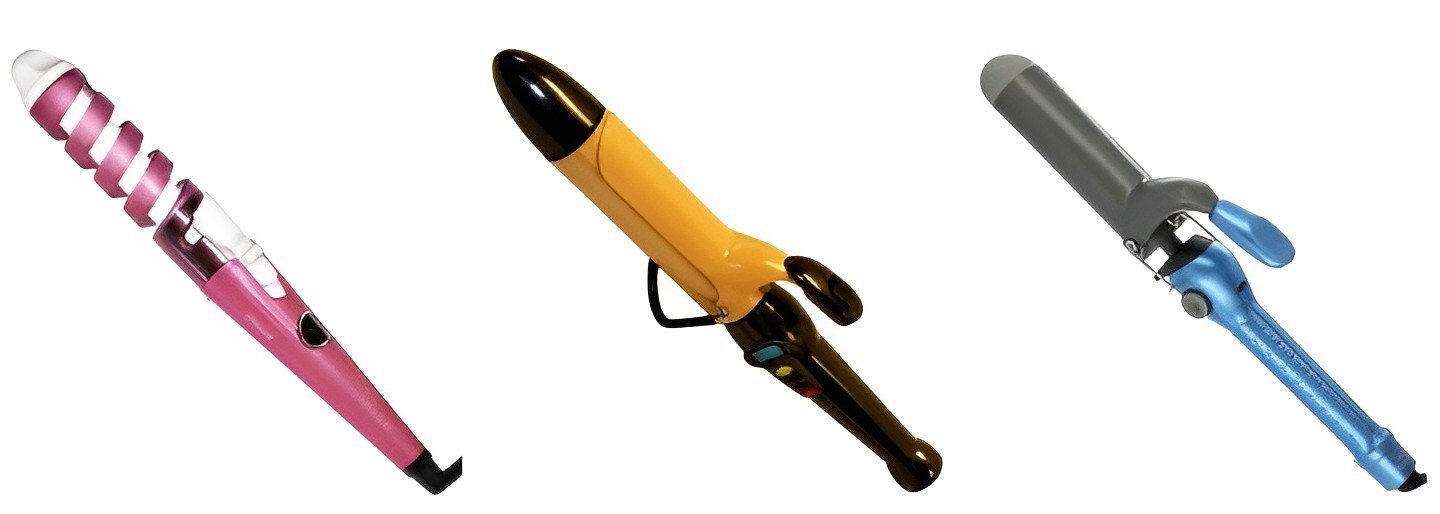
If you go shopping today in your local beauty supply store (and even in your local
department or discount stores) you can find dozens of different sizes, shapes and styles of irons. There are flat irons for
smoothing and straightening the hair. There are waving and crimping irons with curved and shaped plates that are meant to put varying
patterns of wave into the hair, from ‘S-curls’ to ‘Zigzag’ shapes.
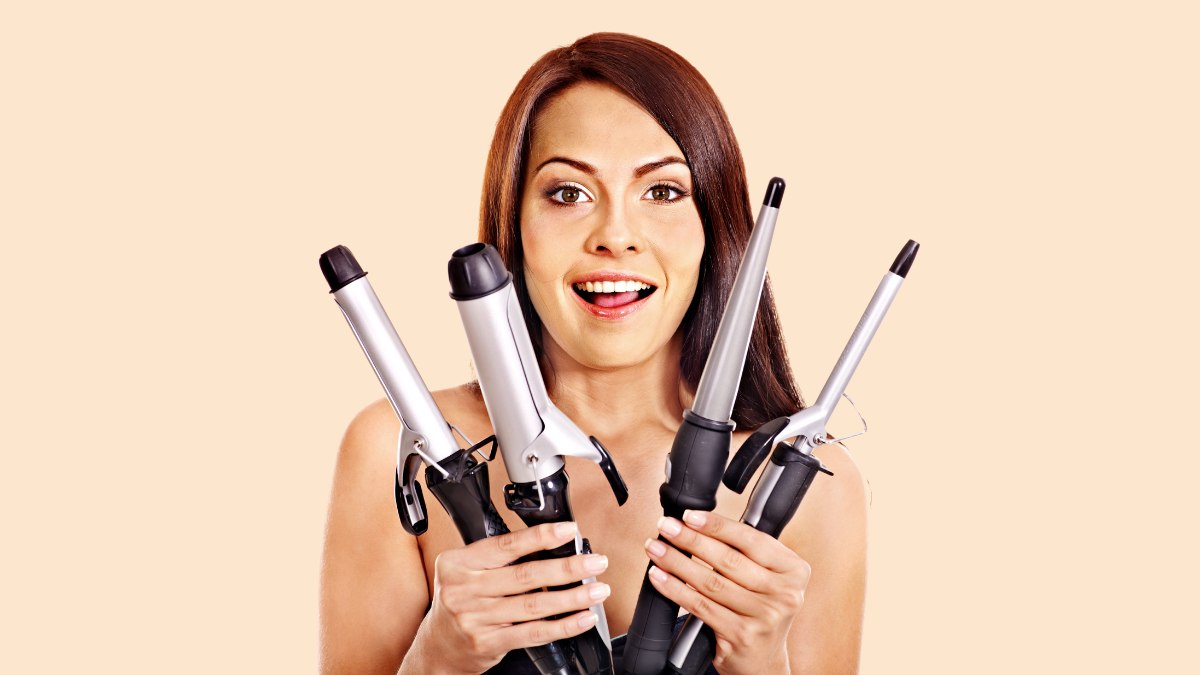
There are curling irons with different sizes of barrel, and even multiple barrels on a
single appliance. The materials from which irons are made, and the way in which they heat the hair are different today than in times
past, too. In the 70s, you might have had an iron with a chrome-plated barrel, which would have been serviceable. Today however, we
have learned that non-stick surfaces and special mineral coatings help to evenly distribute the heat throughout the surface of the
iron and prevent scorching and help leave the hair looking smooth. Many irons now offer infra-red heating and ion technology to
warm the hair more gently and reduce the amount of frizz and static in the hair to keep it smooth and shiny.
Barrels of Fun
The size of the barrels determines the size of the curl created and, as would seem
logical, the smaller the barrel the tighter the curl will be. Multiple-barreled irons are used to create long waves, or to create
lots of bend and redirection in long hair lengths.
Typically speaking, you can find curling irons with barrels ranging in size from around
.25 inches (0.6cm) to 2 inches (5cm). Smaller barreled irons are great for curling shorter hair lengths and creating generally
tighter curls, while larger barreled curling irons are used for longer hair and creating large soft curls and waves.
{A good rule of thumb when wanting to know if a curling iron is sized right for your hair
is to count the number of times you can fully wind the hair around the curling iron barrel. If your hair isn’t long enough to wind
around the curling iron one and one-half times (at least) you should consider getting a smaller curling iron. This, of course,
depends on the size of curl you want.}
Multiple-barreled tools can be disconcerting, especially when most people think of the way in which a standard, single-barrel iron
is used. Most two- and three-barrel irons aren’t meant to create spiraled coils or overlapping curls. These are instead designed to
be used to add bend and wave to the hair. They can be used in varying ways depending on the look desired, and the special features
of each.
What to Look for:
There are a number of features you should look for in a curling iron if you go shopping
for a new one. These are things that will make sure your choice is safe for your hair and for use in general:
Non-stick surface: the iron should feature a non-stick coating of some
type – either a Teflon coating, or the newer mineral finishes (tourmaline and garnet are available) – this helps to prevent the hair
from sticking to the surface of the iron and potentially becoming scorched.
Adjustable Temperature Settings: the iron should have an adjustable
temperature feature, whether it’s a “low-medium-high” switch or an adjustable dial with a numeric range, since different hair types
need more or less heat to be effectively curled.
Instant Heat or Ready Light: the iron may be one that heats instantly,
making it quick to use. However, having one that heats more slowly but has an indicator light to signal that it’s ready is a good
compromise.
Swivel Cord: the last thing you want is to constantly have to untangle
the cord on your curling iron, especially if you have a lot of hair to curl. Choose an iron that has a swiveling cord, making it
less likely to become tangled and get in the way.
Auto-Off Function: This is a safety function that is very important.
Since most of us are always in a rush in the mornings (or whenever we’re getting ready) it’s good to have a curling iron that will
shut itself off automatically if left unattended. This can save you on melted combs and brushes, or in a worst case, keep from
burning your house down.
There are, of course, many other features that can be found on a curling iron, and these
often have positive benefits, but the real determiner will be your budget. You will find curling irons that vary widely in prices,
so it will be up to you to do your homework. Investigate cost versus features, read product reviews (preferably from customers who
have bought and used the same product you are considering, and not those offered by magazines and the manufacturer’s websites) and
choose the one you feel will work best for you.
Stacy - Stylist ©Hairfinder.com
|
|
|