Building a Better Curl
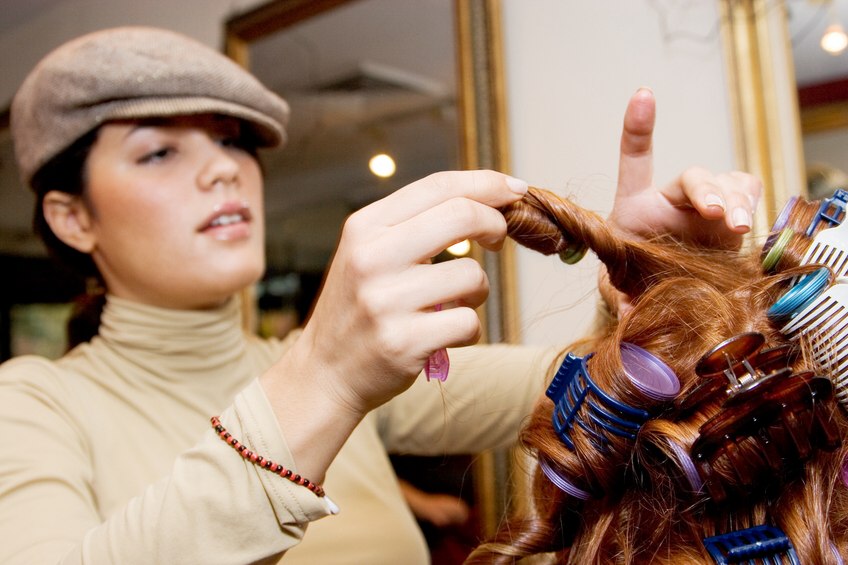
Women who try various methods to curl their hair for styling purposes soon learn that some methods work better and produce longer-lasting curls than others. Usually, the length of time the curl will last increases with the amount of time spent creating the curl. This makes some methods unsuitable for some women, particularly those who need to style their hair quickly as part of their daily routine.
So, we’re going to take a look at the various methods of curling the hair, the results that you can expect, and the pros and cons for each method. It should be noted, however, that these methods can be made more or less effective depending on the type of styling product used or the lack thereof, respectively. A wet set on rollers that is heat dried will produce longer-lasting and firmer curls when you add in a gel styling product for maximum hold than when you simply wrap the roller set with water.
As you’ve heard explained before, the wave pattern of the hair is held in place by the side bonds in the hair. The three types of side bonds are divided into two categories: physical side bonds and chemical side bonds. The physical side bonds are salt bonds and hydrogen bonds and are easily broken by the application of heat and moisture (water) to the hair.

Roller Sets
We start our list of curling methods with the heat-dried roller set. This process uses both heat and moisture and therefore breaks more of both types of physical side bond in the styling process. Heat and moisture can each break both of the types of physical side bonds. Using one or the other usually breaks enough side bonds to allow you to change the hair's wave pattern. Using both heat and moisture means that more of the physical side bonds are broken (and subsequently reformed) which accounts for the extra-strong curl created.
When you wrap wet (or freshly shampooed) hair around a roller, the water has already broken a large portion of the side bonds. Wrapping the hair around the tool will position it into the shape of curl you want to have, and you have a wide range of sizes from which to choose. You can even mix and match roller sizes to create more natural-looking wave patterns.
When you place the wrapped hair under the dryer, you add heat to the process which breaks additional bonds that may not have broken before. As the hair dries, most of the bonds that were broken begin to reform in the new shape. Once the hair is dry, you allow the rollers to cool completely, which completes the reformation of the side bonds and gives you very strong curls that will last until your hair gets wet again.
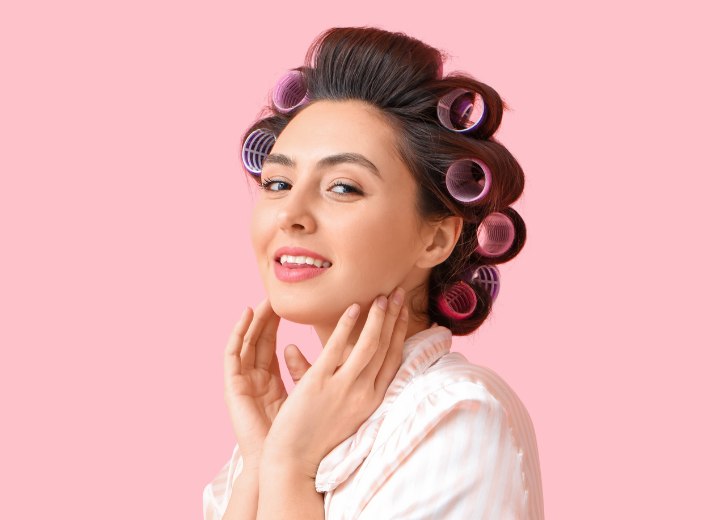
The drying step is equally time-consuming. It would take an average of 45-50 minutes to dry normal density hair of shoulder length in a roller set. More dense hair or hair wrapped on fewer rollers than normal would take longer due to the thickness of the hair layer around the rollers.
All in all, a roller set can take between 2-3 hours to complete. However, during the drying time, you can either relax or perform other simple tasks to get ready. This is a great way to use the time if you are getting ready for an event. In addition, you can expect the style to last for several days (or until the next shampooing) under ideal conditions. Many women who have curly hairstyles love roller sets because they can get their hair done, and with a little "freshening up" each morning, have a style that will carry them through the week.
Curling Irons
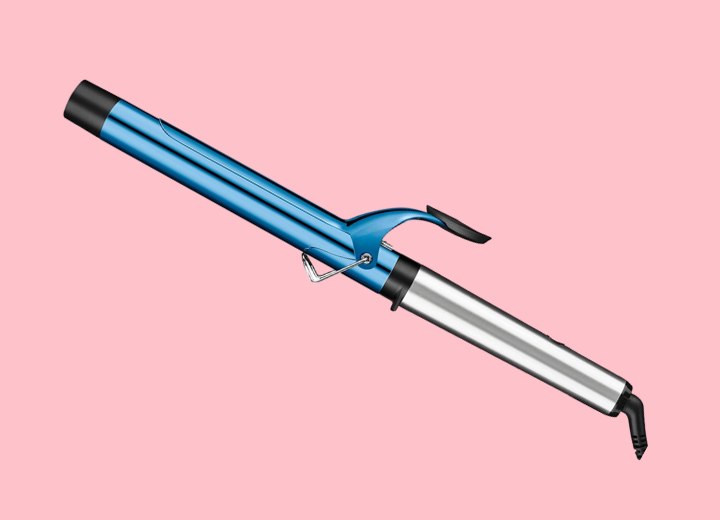
Adding curl with a curling iron is typically easier and simpler than performing a wet roller set because:
A) The hair is dry when curled.
B) The curl can be added where desired, allowing you to add as much or as little as you desire.
A woman with shoulder-length hair of normal density who wanted to add all-over curls with a curling iron would probably spend about an hour to an hour and a half doing so. More if her hair is denser than usual.
Continue reading ...