On Becoming a Hairdresser (3)
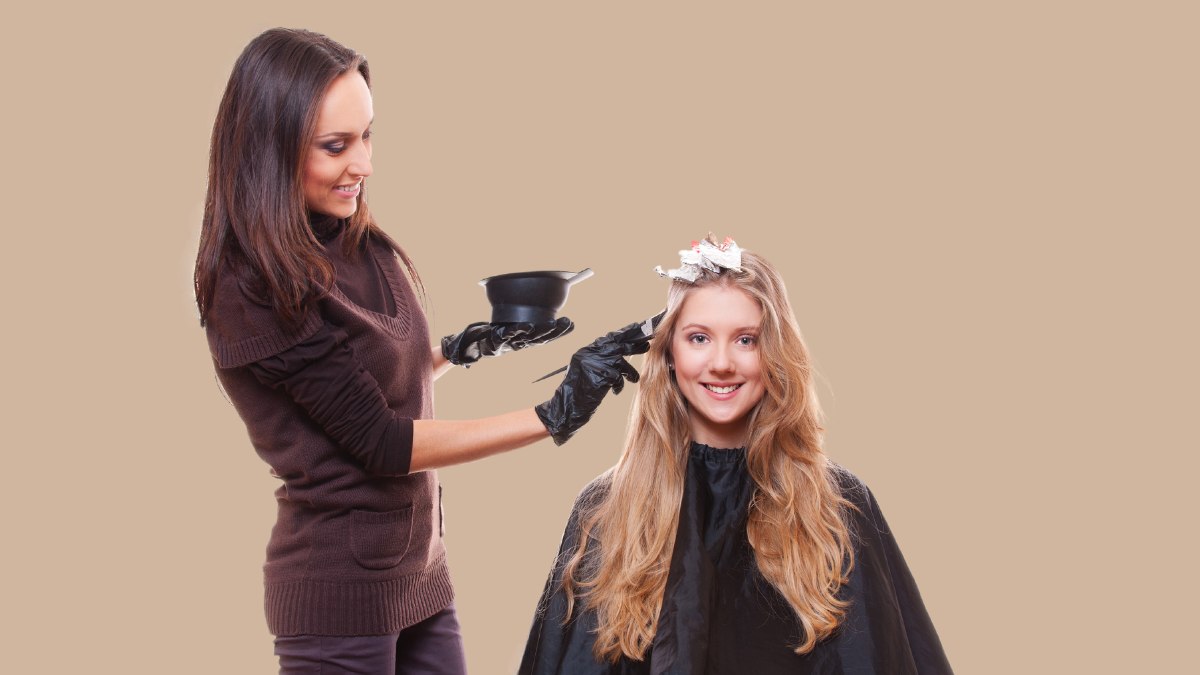
For example, a student taking a full-time cosmetology study program in Georgia can complete their education in one year and earn the required 1500 hours for a "school" student within that time. By comparison, an apprentice in Georgia must spend a minimum of 18 months as an apprentice and must accrue 3000 hours as an apprentice to qualify for the license exam.
Hours, in this case, are awarded for performing specific services. Things like roller sets, permanent wave wraps, and crafting hairstyles are given values in hours. The hours must be divided among a range of services so that the student/apprentice is practiced in all different techniques.
NOTE: It is my personal and professional opinion that while there are apprenticeships that provide top-notch training to a prospective cosmetology candidate, these are few and far between and a candidate is generally far better prepared by taking a certified course at an accredited school. Many of the salons that take on apprentices tend to use them as an inexpensive work force and leave the bulk of their training and education to the candidate themselves.
Opportunities in Cosmetology
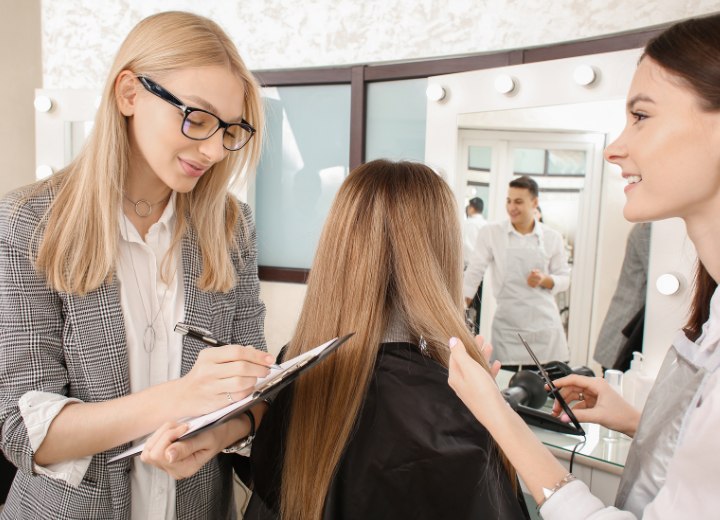
While the field of cosmetology is primarily about enhancing natural beauty through hair and makeup services, the practical application of these skills can lead to a wide range of career paths. You might go to work in an established salon or open your own salon. You might choose to rent space in the salon, get a freelance hair job, or become an employee of a chain salon and work for wages. There are pros and cons to each of these endeavors.
Just because you choose to become a cosmetologist doesn't mean that you have to go to work in a salon. Perhaps you want to do something more creative. There are platform artists who do trade show demonstrations and compete in hair competitions all over the world. You might specialize in wig-making and styling, or in special effects hairstyling. You might even get a job working hair and make-up in the entertainment industry doing work on films and television shows, or for fashion shows.

If you are service-oriented, you might use your trade with a hospice or people suffering from severe or long-term illnesses in order to help them look and feel as good as they can. Some people even opt to work with the deceased to provide hair and makeup services for funeral services and bereaved families.
The possibilities are truly endless. There are specializations and specialties that are too numerous to count. The only limits are your imagination and the regulations and laws in your area that govern professional services.
©Hairfinder.com
See also:
Cosmetology schools
Why most hairdressers wear black
The pros and cons of being a hairdresser
Talents and skills needed to become a good hair stylist