Blondes, Redheads and Hair Density
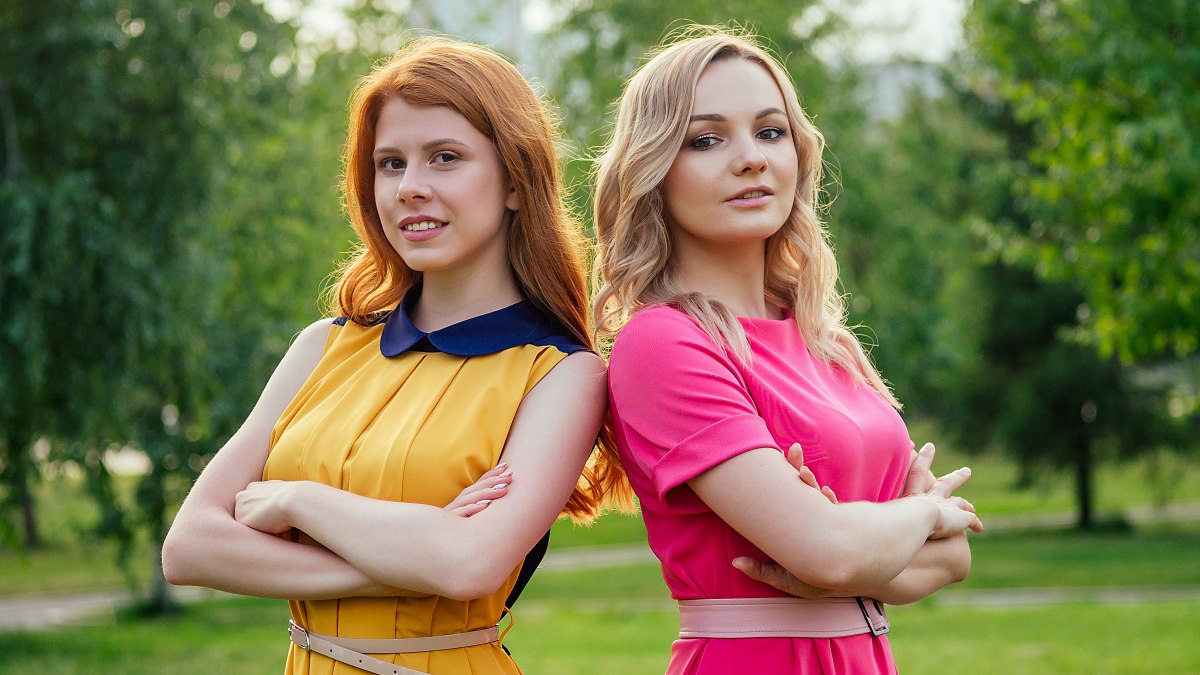
A: This is a particularly difficult question to answer, because very few resources and textbooks discuss the "cause and effect" of the differences in hair density between any two hair colors.
The average human head (whether male or female) has between 100,000 and 150,000 individual hairs on it. The average human head of hair has a density of between 175-300 hairs per square centimeter. This allows for a considerable range of variety from individual to individual. While blondes do tend to have more hairs on the head and more hairs per square centimeter than other hair color groups, there are blondes who have fewer hairs per centimeter than some redheads.
The same level of variance applies to hair diameter among the different color groups. While in general, redheads have the thickest hair shafts, there are redheads with very fine hair and blondes who have thick hairshafts.
As to the potential causes of these general trends of blonde hair being denser and red hair being thicker but sparser, you'll have to chalk it up to evolutionary development. The logic behind it is sound.
Blonde hair shafts tend to be slimmer and require more hairs to adequately cover the scalp. Conversely, since red hair tends to have a greater diameter, it takes fewer hairs to cover the scalp. Because of these traits, it follows logically that blonde hair would evolve to be more dense than red hair.
©hairfinder.com
See also:
How to analyze your hair
Hereditary hair color
Psychology of hair colors
How many bonds are there in our hair?