Dandruff Shampoo
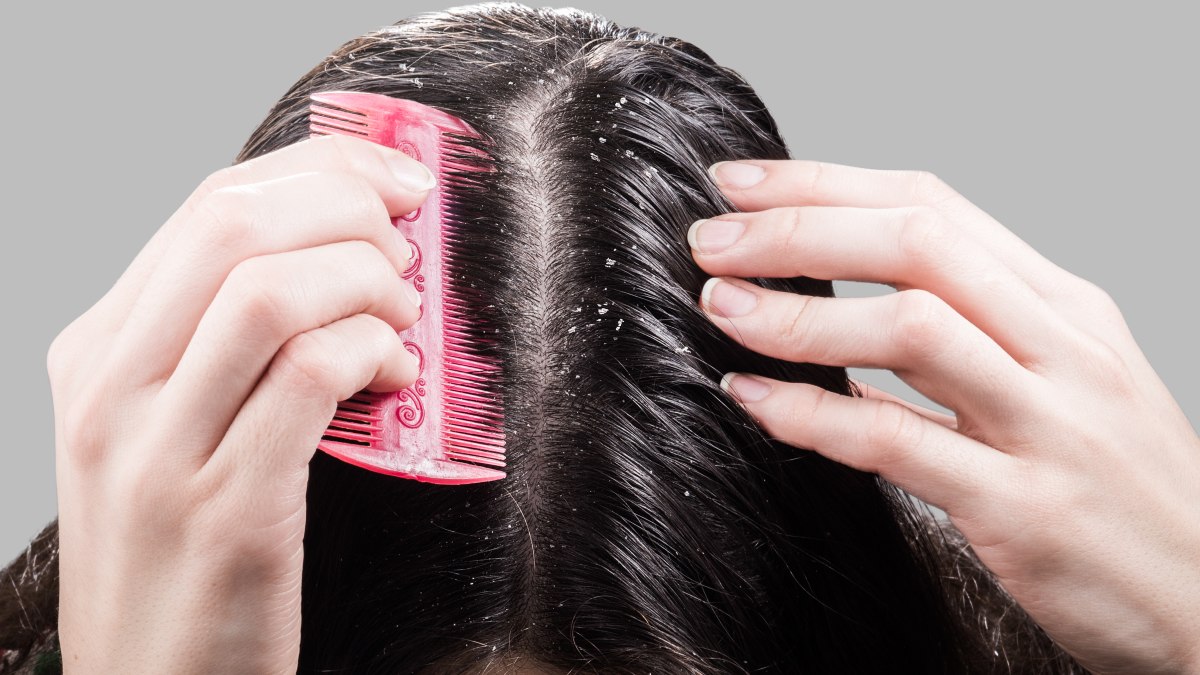
A: According to the Mayo Clinic, you may want to make sure that what you are experiencing is actually dandruff. There are many different conditions that cause excessive skin scaling. These include:
1. Dry skin. Simple dry skin - the kind you get in winter when the air is cold and rooms are overheated - is by far the most common cause of itchy, flaking skin. But flakes from dry skin are generally smaller and less oily than those caused by dandruff.
3. Psoriasis. This skin disorder causes an accumulation of dead skin cells that form thick silvery scales. Psoriasis commonly occurs on your knees, elbows and trunk, but it can also affect your scalp.
4. Cradle cap (seborrheic dermatitis of the scalp). This disorder, which causes a scaling, crusty scalp, is most common in newborns, but it can occur anytime during infancy. Although it can be alarming for parents, cradle cap isn't dangerous and usually clears up on its own by the time a baby is a year old.
5. Contact dermatitis. Sometimes sensitivities to certain hair-care products or hair dyes can cause a red, itchy, scaling scalp.
You may actually need to contact a physician to confirm that what you are suffering from is dandruff as opposed to one of these other conditions. If you have more than simply scalp flaking and itch as a symptom, you should definitely see a physician.
As for actual dandruff, sources differ on what actually causes the condition. Historically, dandruff has been blamed on poor diet, dry skin, oily skin, shampooing too often, not shampooing often enough, stress, and the use of too many styling products.
While some of these factors can seem to contribute to scalp flaking, researchers have identified a yeast-like, fat-eating fungus called malassezia (formerly known as pityosporum ovale) as a likely potential culprit in the cause of dandruff.
Because dandruff is a chronic condition, it may take patience in order to find a solution to control it. There are many, many dandruff shampoos available over the counter, and most doctors recommend trying one of these daily until your dandruff clears up, then cutting back to use once or twice a week.
If you find that a shampoo seems to be less effective as you continue using it, you should switch to a different product for a time. Dandruff shampoos can be categorized as follows:
• Zinc pyrithione shampoos (Selsun Salon, Head & Shoulders). These contain the antibacterial and antifungal agent zinc pyrithione, which has been shown to reduce the fungus that causes dandruff and seborrheic dermatitis.
• Tar-based shampoos (Neutrogena T/Gel). Coal tar, a by-product of the coal manufacturing process, helps conditions such as dandruff, seborrheic dermatitis and psoriasis by slowing cell turnover.
• Shampoos containing salicylic acid (Ionil T). These "scalp scrubs" help eliminate scale, but they may leave your scalp dry, leading to more flaking. Using a conditioner after shampooing can help counter dryness.
• Selenium sulfide shampoos (Selsun Blue). These shampoos help prevent cell turnover and may also reduce the number of malassezia. Because they can discolor blonde, gray or chemically colored hair, be sure to use them only as directed and to rinse well after shampooing.
• Ketoconazole shampoos (Nizoral). The newest addition to the dandruff armamentarium, ketoconazole is a broad-spectrum antifungal agent that may work when other shampoos fail. It's available over-the-counter as well as by prescription.
These shampoos and shampoo formulas all have their proponents and detractors. As with many things in life, there are as many people who favor one product as favor another, and it may boil down to personal preference or personal results as to which of these products will work best for you.
©Hairfinder.com
See also:
Hair problems
Dandruff - Facts, Causes and Treatments