Burned Out Hair
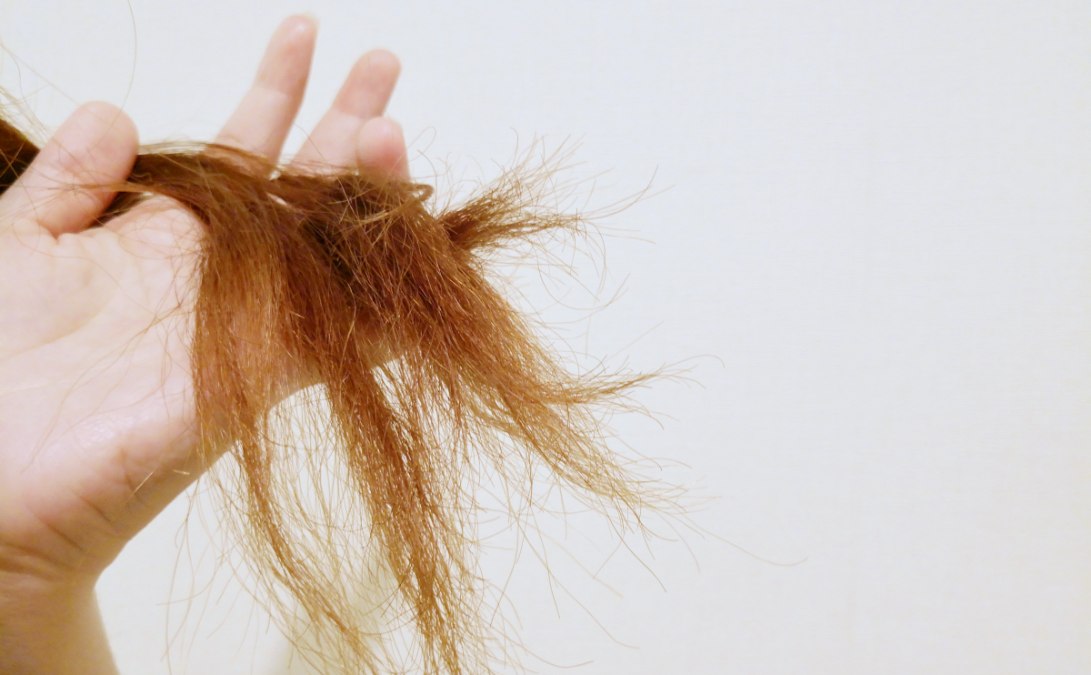
I'd really like to cut it, but I'm worried it will end up being too short for my round face. Do you think a shorter style would suit me, and is there anything I can do to get my hair healthy again?
A shoulder-length cut with soft layers can still complement a round face beautifully. Keeping a little length around the face and avoiding excessive bulk at the sides can help create the appearance of a longer face shape. Your stylist can also customize the layering to give your hair more movement and volume while maintaining a balanced look.
As for the "burned out" condition, because your hair is chemically damaged but also naturally thin, you want to avoid heavy products that will weigh it down. Instead of heavy moisturizing formulas, look for a lightweight strengthening or damage-repair shampoo and conditioner that utilizes amino acids or hydrolyzed proteins to rebuild the hair structure without flattening your volume.
However, standard deep conditioners only provide surface moisture. For hair that has been compromised by coloring and heat, you should incorporate a bond-building treatment (such as Olaplex or K18) into your routine. These treatments work at a molecular level to repair the broken internal bonds of the hair strand.
You can complement this once a week with a deep conditioning cream or hair mask. Apply the conditioner generously to clean, damp hair, concentrating on the mid-lengths and ends where the damage is greatest. Cover your hair with a plastic cap, then add gentle heat using a bonnet dryer, warmed towels from the clothes dryer, or a blow-dryer fitted with a diffuser attachment. Leave the conditioner on for about 20 minutes while keeping it warm. The heat helps the conditioner penetrate the hair more effectively. Rinse thoroughly with cool water to help smooth the hair's outer layer.
While your hair is recovering, try to reduce the amount of heat styling you do. Flat irons, curling irons, and frequent blow-drying can all contribute to dryness and breakage. If you do use hot tools, always apply a professional heat protectant first and use the lowest temperature that gives you the results you want. It's also a good idea to avoid harsh chemical services, such as bleaching or frequent coloring, until your hair is in better condition.
To prevent future damage, be gentle when brushing and detangling your hair. Use a wide-tooth comb on damp hair, start detangling from the ends and work your way up, avoid rubbing your hair vigorously with a towel, and consider sleeping on a satin or silk pillowcase to reduce friction while you sleep.
However, it is vital to distinguish between hair breakage and hair shedding. If your hair is truly falling out from the root rather than simply snapping off at the ends, you should consult your doctor or a dermatologist to determine the underlying cause. There are many possible medical reasons for excessive hair shedding. A hairstylist can help you improve the condition of damaged hair and minimize physical breakage, but ongoing hair loss from the scalp is a medical matter that should be evaluated by a doctor.
©Hairfinder.com
See also:
Why and how to trim long hair
How to avoid or get rid of split ends
Do split ends stop your hair from growing?