The 1-2-3s for Great Hair of Any Hair Type
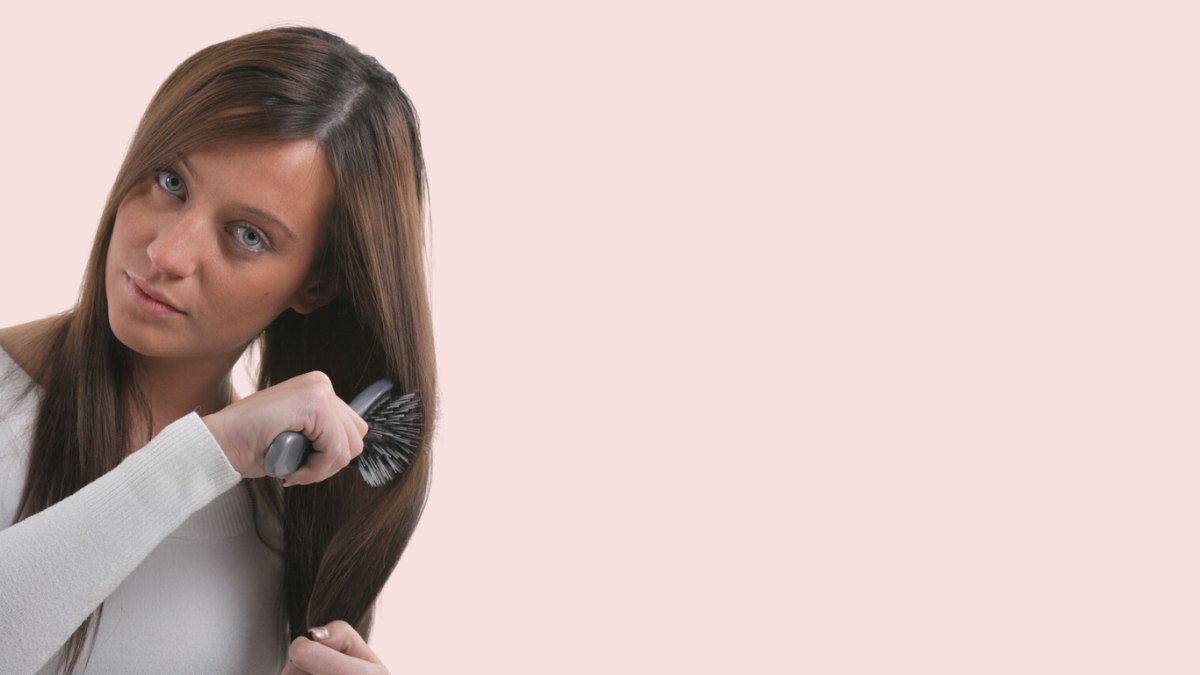
The issue is that our hair isn't the same - some people have curly hair, some have thick hair, some have thin hair, some have damaged hair - and each of these hair types requires its own special care. However, it doesn’t have to be complicated to have great hair, regardless of your hair type. There are three basic tips for each hair type that will help you have (or get) good-looking hair.
The hardest part of having thin hair is dealing with the feeling that someone deflated your style. Thin hair needs a lot of bolstering to create a full, lush-looking hairdo. The following tips can make a big difference in the way you deal with your thin, limp hair:
1. Use volumizing shampoos and styling products – such as sprays and mousses - to help build lift into your style. Avoid serums, waxes, and pomades which can weigh the hair down.
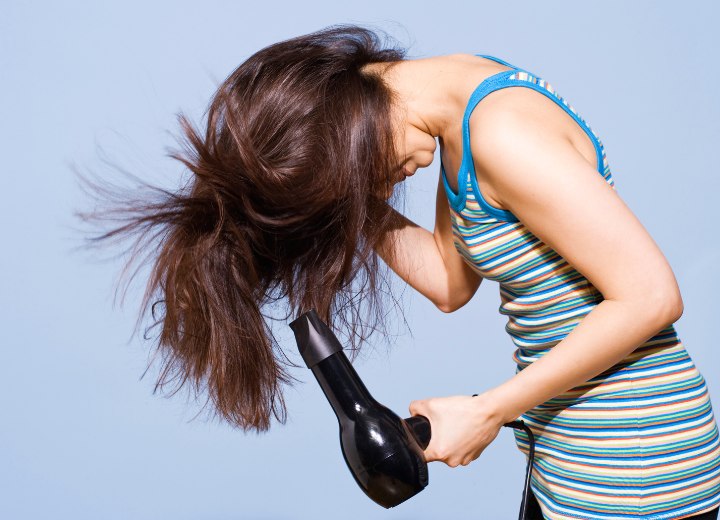
2. Flip your lid. The old trick of flipping your head over as you dry your hair adds a lot of fullness and volume to the hair. You can also use rollers and curling irons to add curls and movement to the hair.
Damaged Hair:
Bleaching, coloring, perms, straightening, blow-drying, heat styling, the sun, the wind, sea water, pool water, and rough treatment can all result in damage to your hair. If your hair has been mistreated by any of these (or other) factors, you should give the following tips a try:
1. Let your hair air dry as often as you can, to give it a break from further stress caused by heat styling.
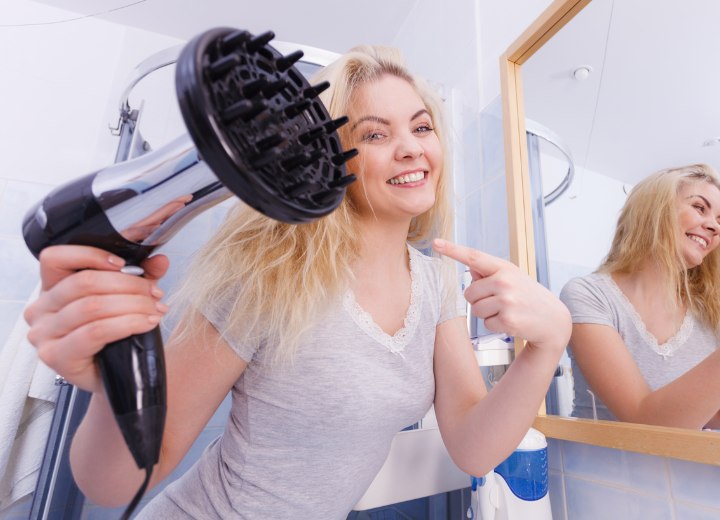
2. When you have to use a hair dryer, use a diffusing attachment to "soften the flow" and keep the heat to a minimum. In addition, try to direct the airflow from the hair dryer away from the scalp along the hair shaft to prevent roughening up the cuticle layer of the hair.
Thick Hair:
Most people think that having a head of thick, lush hair is to die for. The truth is some women go to great lengths to take care of their thick tresses. Having a lot of hair is a lot of responsibility, and those thick locks can get out of control if not handled properly. These tips can help you keep your hair in check:
1. Thick hair needs regular maintenance – by a good professional – to look its very best. Be sure to schedule regular salon appointments.
2. Choose hairstyles that feature long layers cut into the hair. This will minimize the bulk and help you have a sleeker look.
3. Keep an eye out for split ends and keep them taken care of. Left unchecked they will only leave your hair looking frizzy and messy.
The biggest complaint heard from women with naturally curly hair is about frizz and lack of control. Naturally curly hair can be the most beautiful thing imaginable, or the biggest nightmare you’ve ever experienced. Here are some tips for taming your twisting tresses:
1. Condition, condition, condition. Oh, did I mention conditioning your curls? Keeping the curls well moisturized and conditioned will keep them looking smooth and healthy and make the hair more manageable.
2. Keep a hands-off approach to your curls. Don’t touch your hair until it’s almost completely dry. Allow the hair to air dry or use a diffuser on your hair dryer if to keep frizz to a minimum. Style the hair using your fingers to arrange it as you desire.
3. Set your curls by using a blast of cool air from your hair dryer, and smooth away frizz and flyaway strands by using a touch of serum, oil, or cream on your fingers and running them through the curls.
©Hairfinder.com
See also:
Basic hair care
Quick fixes for common hair problems
Tips and tricks for summer hair