Cosmetic Treatment Health Care Warnings
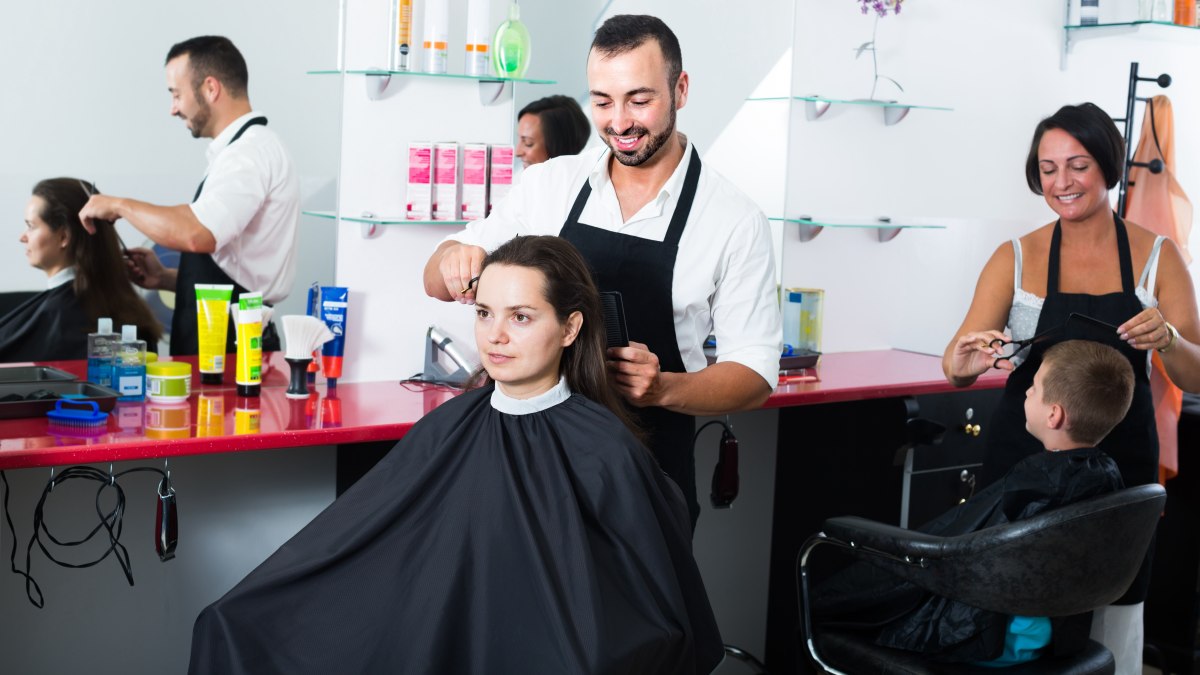
Brushes and Combs: The combs a stylist uses on your hair should be cleaned and stored in the sanitizing jar mentioned earlier. However, most brushes are too large to be easily stored in this manner. Brushes should therefore be cleaned thoroughly, sanitized, and stored in a clean, dry location until needed for use on a client. Never let a stylist use a brush on your head that has hairs from previous use trapped in its bristles.
Bacteria and parasitic infections such as lice can be transmitted from client to client by unsanitary brushes. Even natural bristle brushes should be thoroughly cleaned with detergent and hot water, and completely dried before being reused on a new client.
Towels: Any towel a stylist uses on you should be clean and freshly laundered. If you don't see the stylist get a clean towel for you, be sure to ask for one, or if you prefer, simply end the appointment and report the situation to the salon manager.
Nail Stations: The implements used at a nail station should be cleaned and stored in a sanitizer jar the same as combs and implements at a hair station. If the liquid in the jar appears cloudy or dirty, then the implements inside are not clean.
Foot Spas: These large whirlpool tubs for soaking the feet prior to pedicures must be emptied and cleaned out after every customer. You should watch carefully to make sure that this is done and never put your feet into a foot spa you aren’t sure has been cleaned and freshly filled before you use it. Improper cleaning procedures and use of foot spas has resulted in the spread of serious infections in many clients.
Other Health and Safety Issues:
Our society places a great deal of emphasis on beauty and youth, and looking young and beautiful can be an expensive process as we struggle against the natural process of aging. Because of this, we are often tempted to look for the most convenient and cost-effective sources for beauty and age-fighting procedures.
Today, many spas and salons have begun to offer procedures like chemical peels, microdermabrasion and botox injections as part of their services. Don't confuse these spas with medical spas that do dangerous procedures like tumescent liposuction. You should always be aware of the qualifications of anyone performing these procedures.
In the United States, these procedures (specifically chemical peels and Botox injections) must be performed only by trained and qualified medical personnel. In other countries, the laws may differ, but be aware that there are unscrupulous individuals who have taken advantage of people looking to save money on these procedures. The results in some of these cases have been disfigurement, infection, and permanent damage.
You should also be wary if a practitioner ever promises you that a procedure is completely safe. No matter how many times a procedure has been performed or how safe it has been in the past, there is always a risk involved. In addition, if the practitioner guarantees "ideal" results, you should be very skeptical.
The best response to a practitioner who is making insistent assurances of safety or guarantees of remarkable results is to get up and walk away. One of two things will be happening: Either the practitioner is trying to convince you so that they can make the fee, or they are not being realistic and may be lax in the level of care you receive during the procedure.
©Hairfinder.com