Rod to Roller Perm
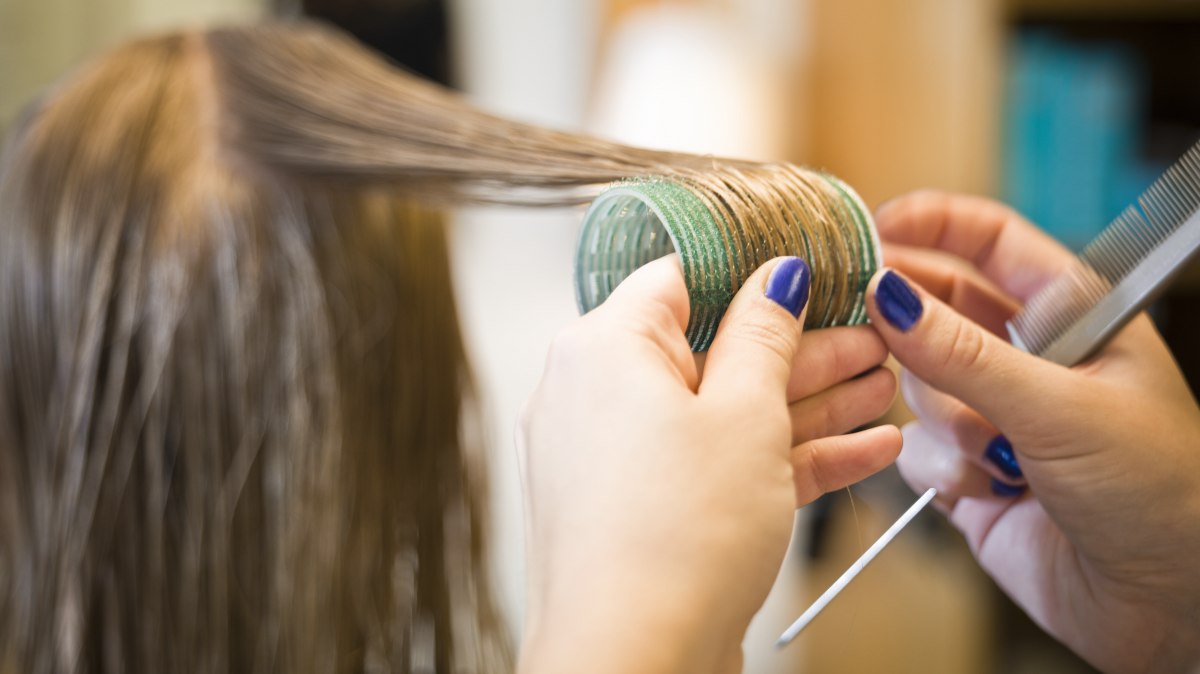
A: In many salons, this technique is referred to as a "Transfer Perm". While it may sound very complicated, the process is actually simple, just a little more time consuming than a traditional perm service.
As a rule of thumb, use one roller for every two rods you remove. The rods should be sufficiently small so that the 2:1 ratio in the transfer from rod to roller should not overload the roller. Once the hair has been rewrapped on the rollers, apply the neutralizer to the hair and process that stage as directed according to the perm formula you use.
After the neutralizer has been processed, you should rinse the hair as directed. Be careful since most rollers don't hold as securely as perm rods during rinsing. This means using a low-pressure flow of water over the rollers and potentially a longer rinsing time.
In addition, many stylists prefer to follow the pat-dry stage with air-drying under a hooded dryer using low or no heat. Doing this gives the longlasting benefits of a wet-set to the finished style (and since oxygen from the air helps to further ensure complete neutralization of the perm it can grant longer lasting results) but is not necessary.
It should be specifically stated that using this perming technique is not appropriate for those individuals who have over-stressed, fragile or damaged hair. When the hair is in the transfer stage, it will be at its most vulnerable and must be treated with extreme care. A stylist who is contemplating using this technique on any client must use his or her best judgement and should always err on the side of caution.
©Hairfinder.com
See also:
Perms and perming hair
Perm rods and how to know what size you want
What is the difference between a normal perm and a piggyback perm?